In short
Dull skin means light isn’t reflecting evenly, and the cause is often not a missing product but something deeper: poor cell turnover, a stressed barrier from overuse, dehydration, hidden sun damage or lifestyle factors like sleep and stress. Simplify your routine, protect your barrier and stay consistent with sunscreen and rest. If dullness persists, hidden pigmentation, slowing collagen, or dehydration may be responsible, and each responds well to targeted treatment once properly identified.

If you cleanse, moisturise and wear sunscreen every day and your skin still looks flat, tired or greyish, you are not doing it wrong. In my years of practice, “dull skin despite a good routine” is one of the most common concerns I hear, and the answer is rarely “buy more products”. Often it is the opposite.
What Does “Dull Skin” Actually Mean?

Healthy skin looks radiant because its surface is smooth and its tone is even, so light reflects back evenly. Dullness happens when that reflection is disrupted. Three things usually cause it:
- Rough texture: buildup of dead cells scatters light instead of reflecting it
- Uneven tone: pigmentation, redness or sallowness absorbs light
- Low hydration: skin that lacks water looks flat and loses its bounce
Most people with dull skin have a mix of these, which is why one product rarely fixes it.
7 Common Reasons Why Your Skin Is Still Dull:
1. Dead Skin Cells Are Building Up
Your skin naturally renews itself, but the process slows with age, sun exposure and stress. When old cells linger on the surface, skin looks rough, grey and tired and products do not absorb as well. Gentle exfoliation helps, but this is where many people go wrong, as the next point explains.
2. Your Skin Barrier Is Damaged
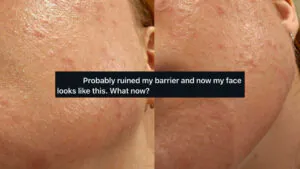
The skin barrier is the protective outer layer that holds water in and keeps irritants out. Over-exfoliating, layering several active ingredients or using harsh cleansers can weaken it. A damaged barrier shows up as dullness, tightness, sensitivity and sometimes breakouts. Ironically, a “powerful” routine is a common cause of dull skin.
3. You Are Dehydrated
Dry skin lacks oil. Dehydrated skin lacks water, and any skin type can be dehydrated, including oily skin. In Singapore, constant air-conditioning dries out skin even though the outdoor air is humid. Dehydrated skin looks dull and may show fine lines that disappear when you hydrate it.
4. Sun Damage and Early Pigmentation
Singapore’s UV levels are high all year, and everyday exposure adds up. Over time it causes uneven tone, freckle-like spots and early melasma that may look like general “dullness” before patches appear. Sunscreen prevents new damage, but it does not reverse damage that has already happened. Visible light and heat can also worsen pigmentation in Asian skin.
5. Collagen and Cell Renewal Slow Down
From our late 20s, collagen production gradually declines. Skin becomes thinner and less plump and it reflects light less evenly. Skincare can support the skin, but it cannot fully replace what time takes away.
6. Lifestyle Showing on Your Face
Poor sleep, high stress, smoking, a diet low in fruit and vegetables and too little water all affect circulation and skin repair. Smoking in particular is strongly linked to a sallow, greyish complexion. If your routine is excellent but you are sleeping five hours a night, your skin will tell on you.
7. Your Products Do Not Match Your Skin
A product can be good and still be wrong for you. Common mistakes include:
- Using heavy creams on dehydrated, oily skin
- Applying actives in the wrong order, or too many at once
- Sticking to a routine that suited you years ago but not now
- Skipping moisturiser because the skin feels oily
Signs Your Routine May Be the Problem

Your routine may be contributing if you notice:
- Skin that feels tight, stingy or sensitive after cleansing
- Redness or flaking that started after adding a new active
- Products that sting, which did not before
- Dullness that gets worse the more products you add
- Makeup that sits unevenly or looks patchy
If this sounds familiar, simplify first: gentle cleanser, moisturiser, sunscreen. Pause strong actives for two to four weeks and see how your skin responds.
Dull Skin Causes at a Glance
| Cause | What helps |
| Dead cell buildup | Gentle exfoliation, retinoids |
| Damaged barrier | Simpler routine, barrier-repair moisturiser |
| Dehydration | Hydrating ingredients, less air-con dryness |
| Sun damage / pigmentation | Daily sunscreen, vitamin C, medical treatment |
| Slowing collagen | Retinoids, collagen-stimulating treatments |
| Lifestyle | Sleep, stress care, not smoking |
What Skincare Can and Cannot Do
Skincare is the foundation and it works best for maintaining healthy skin and preventing damage. It can improve mild dullness, support hydration and protect against the sun.
BUT they cannot easily remove stubborn pigmentation sitting deeper in the skin, rebuild lost collagen in a meaningful way or fix a routine that is damaging your barrier. When dullness persists despite a sensible routine, treatments done in a clinic can help where skincare cannot.
Professional Treatments for Dull Skin
The right treatment depends on the cause, which is why an assessment comes first.
| Treatment | How it helps | Best for |
| Pro Yellow/Pico laser | Gentle laser energy breaks down excess pigment and evens skin tone over a series of sessions | Uneven tone, sun damage, early pigmentation |
| Hydrafacial-type treatments | Cleansing, gentle exfoliation and hydration in one session, with no downtime | Congested, dehydrated skin; a quick glow before events |
| Skin boosters | Tiny injections of hydrating ingredients such as hyaluronic acid deep in the skin for lasting moisture | Dehydrated, thin or fine-lined skin |
| RF Microneedling | Controlled micro-injuries prompt the skin to produce new collagen. | Rough texture, enlarged pores, early ageing |
A few cautions from clinical experience:

- Laser settings matter. In Asian skin, aggressive settings can trigger more pigmentation, especially if melasma is present. Treatment should be gentle and tailored.
- Results build over time. Most of these treatments work in a series, not a single visit.
- Combination plans are common. For example, a hydrating treatment alongside tone-correcting sessions often works better than either alone.
Everyday Habits That Make a Real Difference
You do not need a longer routine. You need a consistent one:
- Wear sunscreen daily, even indoors near windows, and reapply if outdoors
- Exfoliate gently, once or twice a week at most but stop if skin feels irritated
- Hydrate from outside and inside: use a hydrating moisturiser and drink enough water
- Prioritise sleep: skin does much of its repair overnight
- Do not smoke, and limit alcohol where possible
- Add one new product at a time, so you can tell what helps and what irritates
When Should You See a Doctor?

Consider a professional assessment if:
- Your skin stays dull after four to six weeks of a simplified, gentle routine
- You notice patches, spots or uneven tones that are getting worse
- Your skin is persistently red, itchy, flaky or sensitive
- Your complexion has suddenly looked pale, yellowish or very tired, which can occasionally relate to underlying health issues such as thyroid problems or low iron, and is worth checking with a doctor
- You are unsure which products or treatments suit your skin
A doctor can tell whether your dullness comes from your routine, your skin type, pigmentation or something else, and avoid the cycle of trial and error.
Conclusion
Dull skin despite a good routine is rarely a sign that you are not trying hard enough. More often, the cause lies beneath what products can reach, or the routine itself is too much for your skin. Start by simplifying and protecting your skin barrier and getting consistent use of sunscreen and sleep. If dullness persists, the cause may be hidden pigmentation, slowing collagen or dehydration, all of which respond well to the right treatment once identified.
Not sure what is behind your dull skin? Book a consultation at The Ogee Clinic, and we will assess your skin and recommend a plan that fits it.