Quick answer:
Yes, it can. Overfilling, badly placed filler, over-dosed BTX, aggressive tightening and treatments that trigger pigmentation can all make a face look older, heavier or “done”. The treatments themselves are rarely the problem. The usual causes are poor planning, treating the wrong concern, or too much, too fast. A thorough assessment, a conservative plan and an experienced doctor greatly reduce the risk.
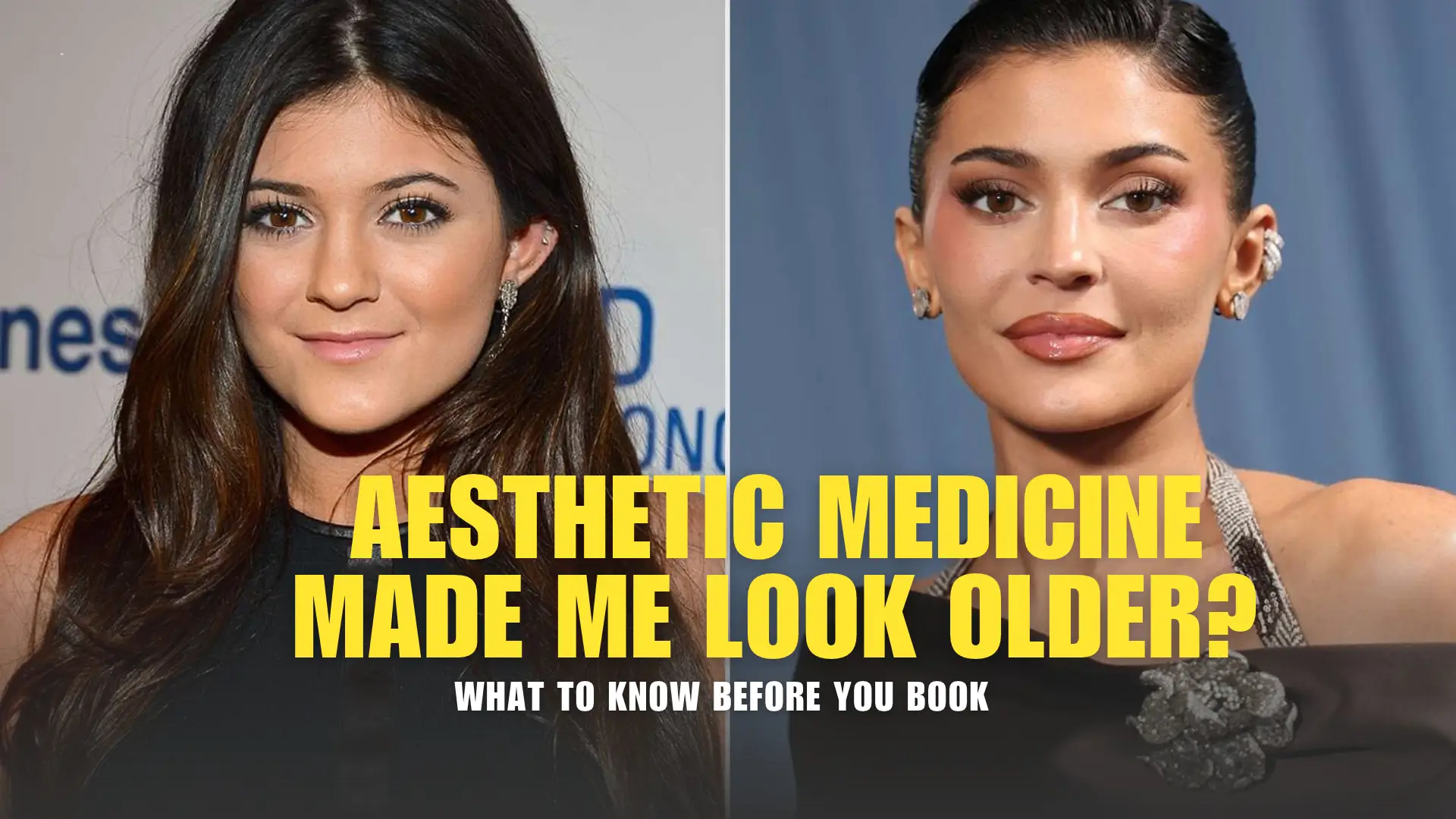
If you are considering aesthetic treatment, you may have seen someone you know that looked worse after treatments, not better. It is a reasonable worry and I would rather you ask the question now, before you book, than after. In my years of practice, the patients who look best are rarely the ones who had the most treatments done. They are the ones whose treatments were personalised to their anatomy and their concerns.
Can Aesthetic Treatments Really Make You Look Older?
Done well, aesthetic medical treatments can restore lost volume, soften tired expressions and improve skin quality, all of which make a person look fresher. Done poorly however, it can have the opposite effect. And the patient will suffer from looking older, appearing more sunken and hollow, or just plain awkward for his or her age. The difference lies in the planning and the technique, not in whether you chose to have treatment.
How Aesthetic Treatments Can Age You
1. Too Much or Badly Placed Filler
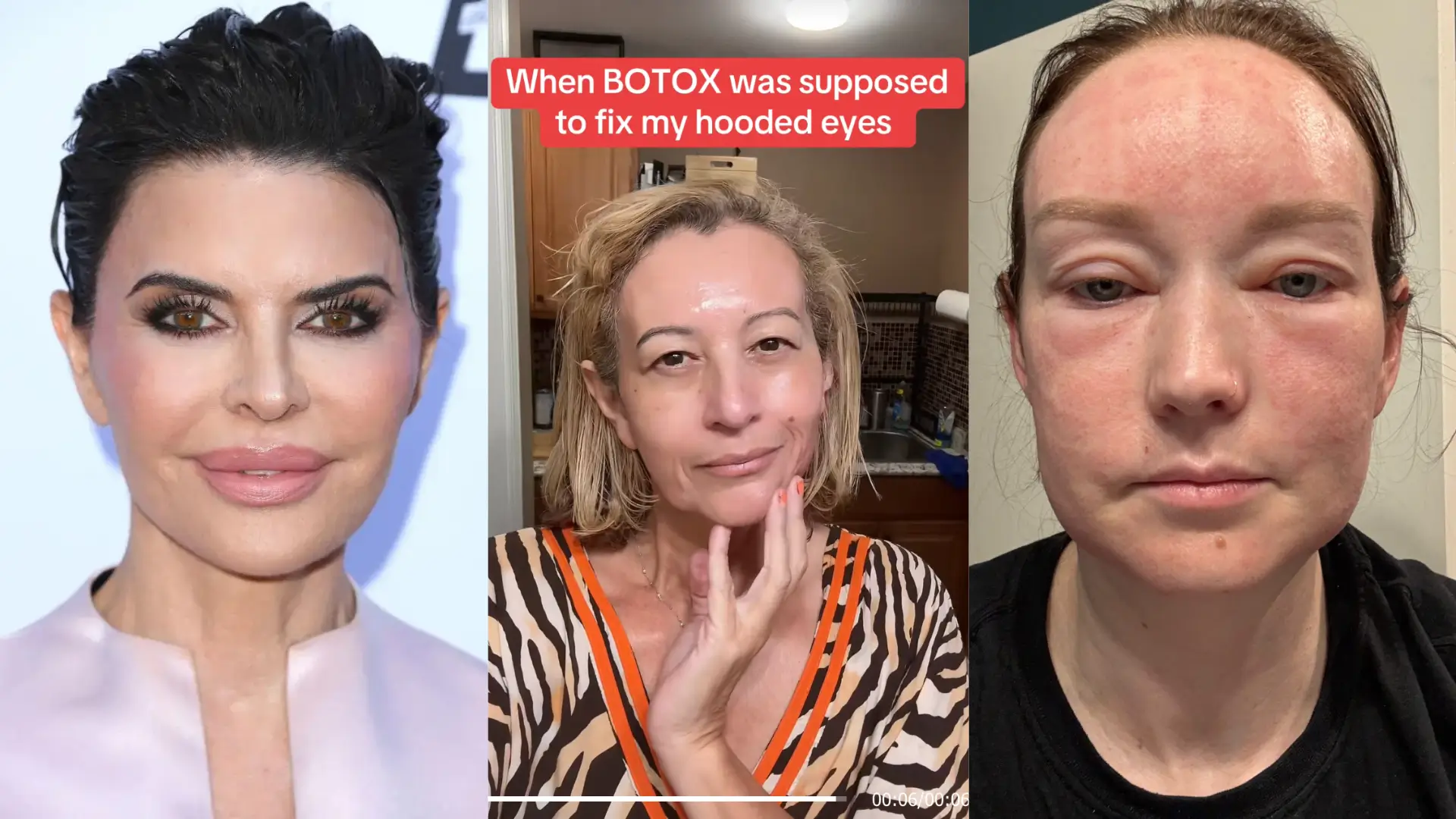
Filler adds volume, but volume in the wrong amount or wrong place changes a person’s face shape. Overfilled cheeks can look puffy and heavy. Too much filler around the lower face can blur the jawline instead of sharpening it. We always have to remember that a fuller face is not a younger face if the proportions no longer look natural.
2. Treating the Lines, Not the Cause
Many people ask for filler in a fold, such as the nasolabial lines from the nose to the mouth. Often these lines appear because the cheeks above have lost support. Filling the fold alone can look heavy, even making the patient have an undesirable “bulldog effect”. Instead supporting the cheek can soften the nasolabial lines more naturally.
3. Botox That Is Too Strong or Poorly Placed
Botox relaxes facial expression muscles, that is true. However, Botox injections done in the wrong spot, for instance on the forehead, can leave the forehead flat and the brows looking lower, which makes the eyes look heavy and tired. Furthermore, overdosage of Botox can leave the face stiff, expressionless, making the patient older, not younger.
4. Treating One Area and Ignoring the Rest
It is common for individuals to fixate on one particular concern, for eg. Forehead wrinkles. However, a perfect treatment done on only one part of the face while ignoring other facial parts will make the face look awkward. For instance, an overly smooth forehead beside hollow temples and cheeks looks mismatched. Our face age as a whole, not in parts. So a plan that accounts for and addresses aging of the whole face usually gives a more natural result than treating one spot at a time.
5. Over-Tightening and Aggressive Energy Treatments
Tightening devices like HIFU, Ultherapy, Thermage, etc stimulate collagen and can improve mild laxity. Used too often or too intensively, particularly on thin faces, they can leave the face looking drawn or hollow. Settings matter, and so does knowing when to stop.
6. Lasers and Peels That Trigger Pigmentation
In Asian skin, aggressive lasers or peels can cause post-inflammatory pigmentation or worsen melasma. A new dark patch makes the skin look older and more uneven, even if the treatment was meant to brighten it.
7. Following Trends Instead of Your Own Anatomy
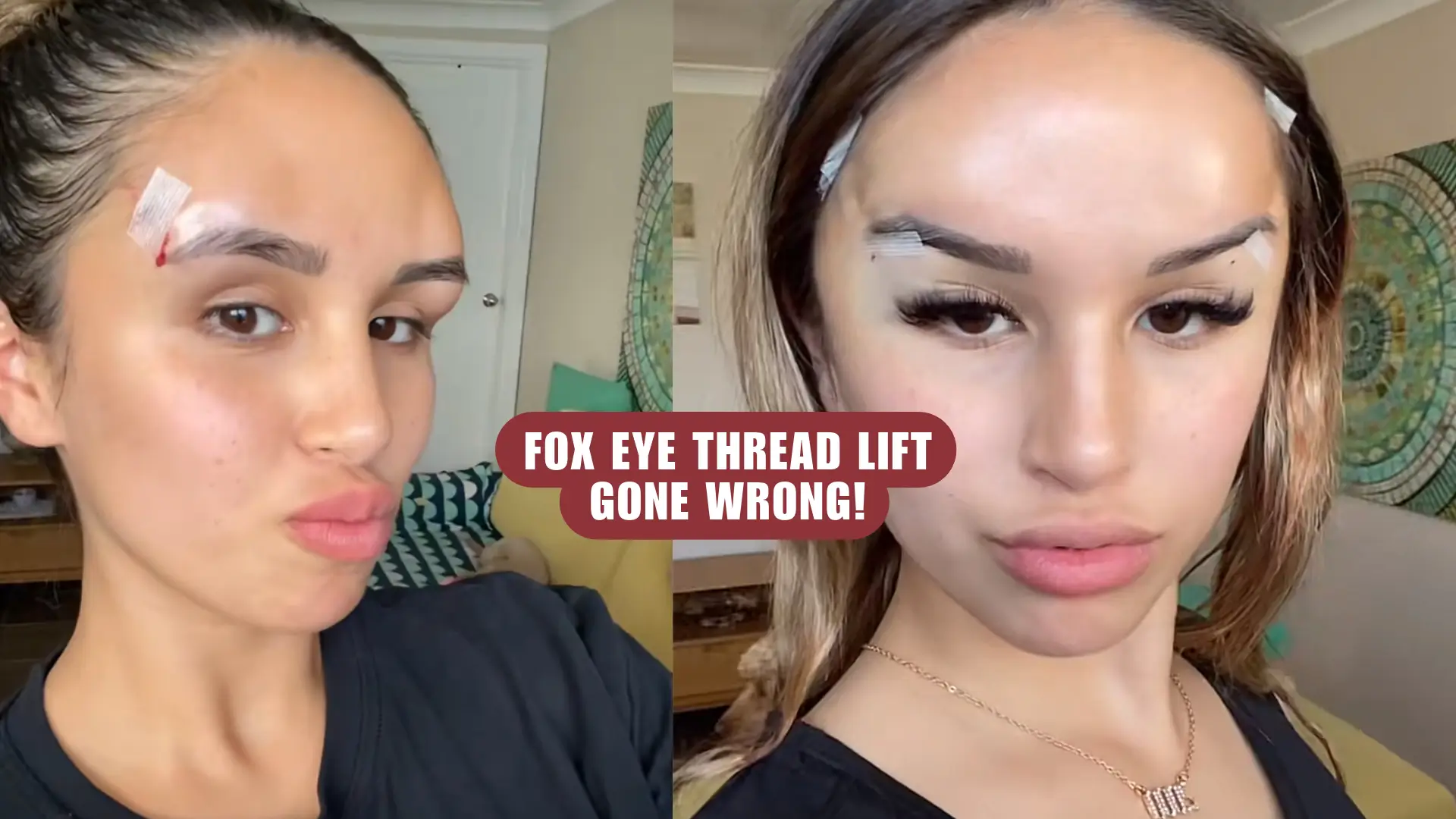
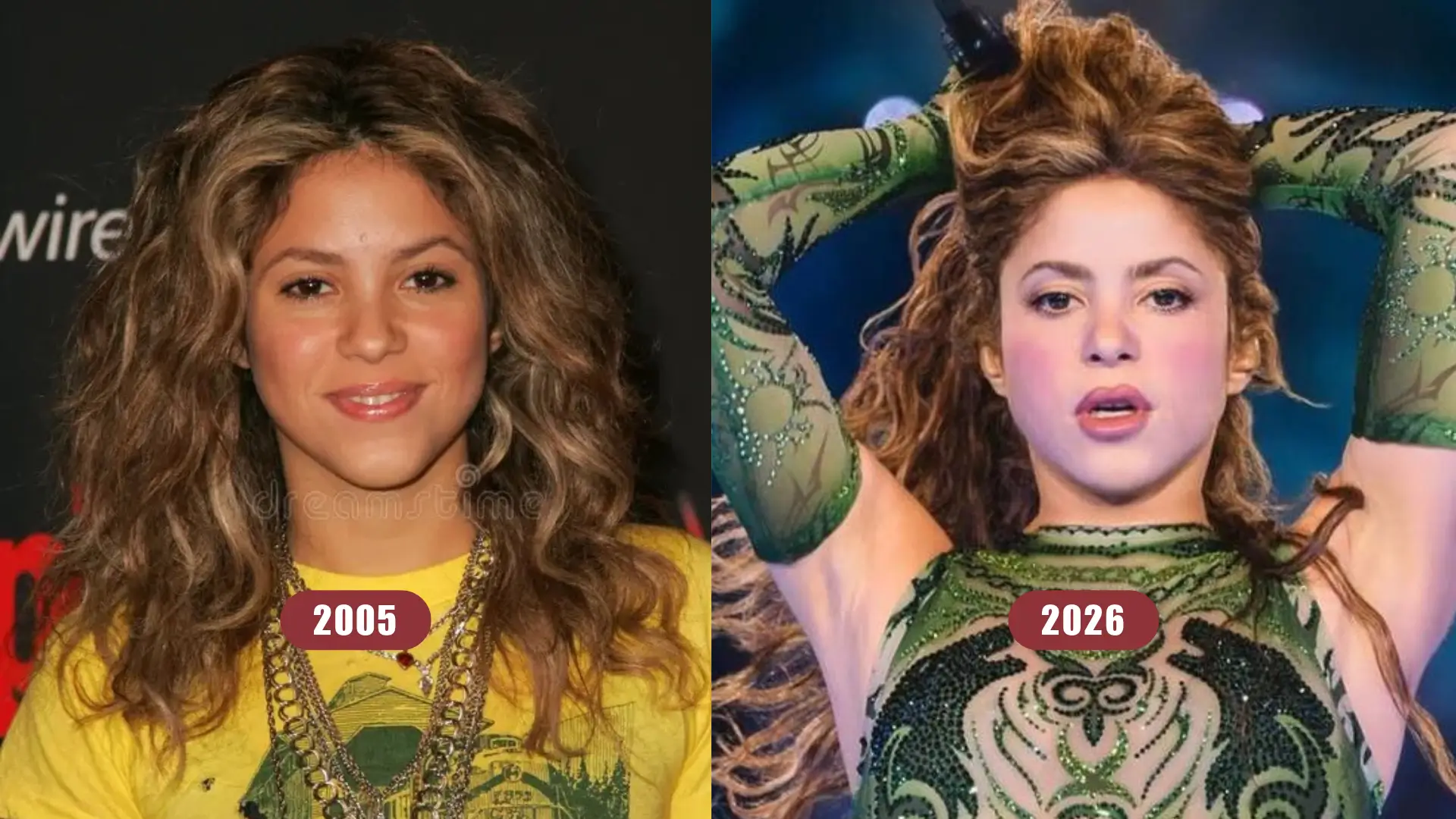
Social media trends can push people toward aspiring the same facial features, even if these facial features doesn’t suit their facial structure. Features that look striking on someone else may not suit your facial proportions, and may in fact age your face by creating imbalance.
Treatments and Their Common Pitfalls
| Treatment | How it can age you | How to avoid it |
| Dermal fillers | Puffy, heavy or blurred contours; filler placed too superficially can look bluish or lumpy | Small amounts, gradual sessions, whole-face planning |
| Botulinum toxin (Botox) | Heavy brows, flat forehead, stiff expression | Conservative dosing, tailored placement, review after two weeks |
| HIFU / Ultherapy / energy-based tightening | Drawn or hollow look if over-treated, especially in thin faces | Careful patient selection, appropriate settings, enough time between sessions |
| Lasers and chemical peels | New pigmentation, irritation or worsened melasma in Asian skin | Gentle settings, proper skin assessment, sun protection |
| Facial threads | Uneven results, visible threads or dimpling; effect often modest and short-lived | Evidence is limited and results are inconsistent, so discuss alternatives first |
Warning Signs You May Be Over-Treated
Take a step back if you or the people around you notice:
- Your face looks puffy, wider or heavier than before
- Your expressions look stiff or delayed
- Your cheeks look full but the skin around the eyes looks hollow
- Your face looks smooth but no longer looks like you
- You keep needing “just a little more” to get the same effect
If any of these sound familiar, pause new treatments and see a doctor for a fresh assessment before adding more.
What Good Aesthetic Treatment Should Look Like
Good work is usually quiet. People say you look rested, not that you look different. A well-planned treatment tends to follow these principles:
- Assessment comes first. Your doctor should look at your whole face, in motion and at rest, before suggesting anything
- Treat the cause. Lines, hollows and sagging often come from changes elsewhere, so the fix may not be where you point
- Subtle and gradual. Smaller amounts over several sessions are easier to adjust than a large change at once
- Balance over perfection. The aim is a face that looks harmonious, not one with a single flawless feature
- Room to adapt. Plans should change as your face responds
Questions to Ask Your Doctor
Bring these to your consultation:
- What is causing the concern I am asking about?
- What would you recommend, and why that treatment?
- What are the risks and the common side effects?
- How many sessions will I likely need?
- What happens if I do not like the result?
- Can this treatment be reversed or corrected?
- How much experience do you have with faces and skin like mine?
A doctor who welcomes these questions is usually a good sign.
Can a Treatment That Went Wrong Be Fixed?
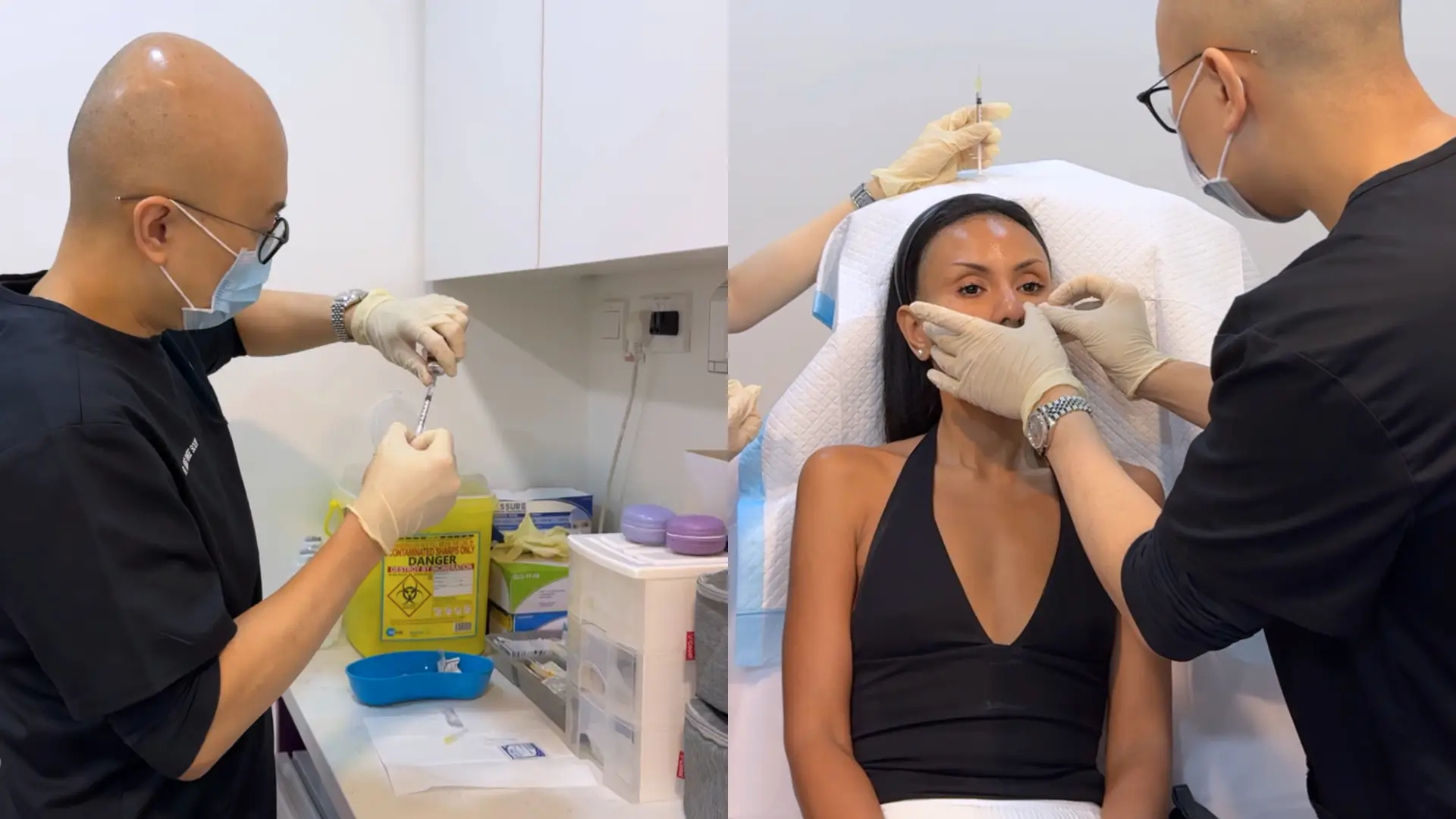
Often, yes, though it depends on the treatment.
- Hyaluronic acid filler can be dissolved with an enzyme called hyaluronidase, which makes overfilling one of the more correctable problems
- Botox is temporary, and effects usually fade over a few months. A corrective plan can ease heaviness while you wait
- Over-tightening or volume loss can sometimes be improved by restoring volume gradually
- Pigmentation from lasers or peels can often be treated, but it needs a gentle, patient approach and strict sun protection
A second opinion is worthwhile, and it helps to avoid adding more treatment on top of a problem you have not yet diagnosed.
Conclusion
Aesthetic medicine can help you look fresher, rested and more like yourself. However, it can also make you look older when it is poorly planned, overdone or applied to the wrong concern. The difference comes down to assessment, restraint and technique.
Before you book, find out what is causing your concern, ask questions, choose a doctor you trust and begin conservatively. Good treatment should leave people thinking you look well, not wondering what you had done.