In short
Skin boosters can soften mild acne scars, dullness and rough texture. They cannot lift deep ice pick or tethered scars, which need procedures like subcision, TCA CROSS or fractional laser. A doctor’s assessment of your scar type is the first step, so you know whether boosters are worth your time and money.
What are Skin Boosters and How Do They Affect Scars?
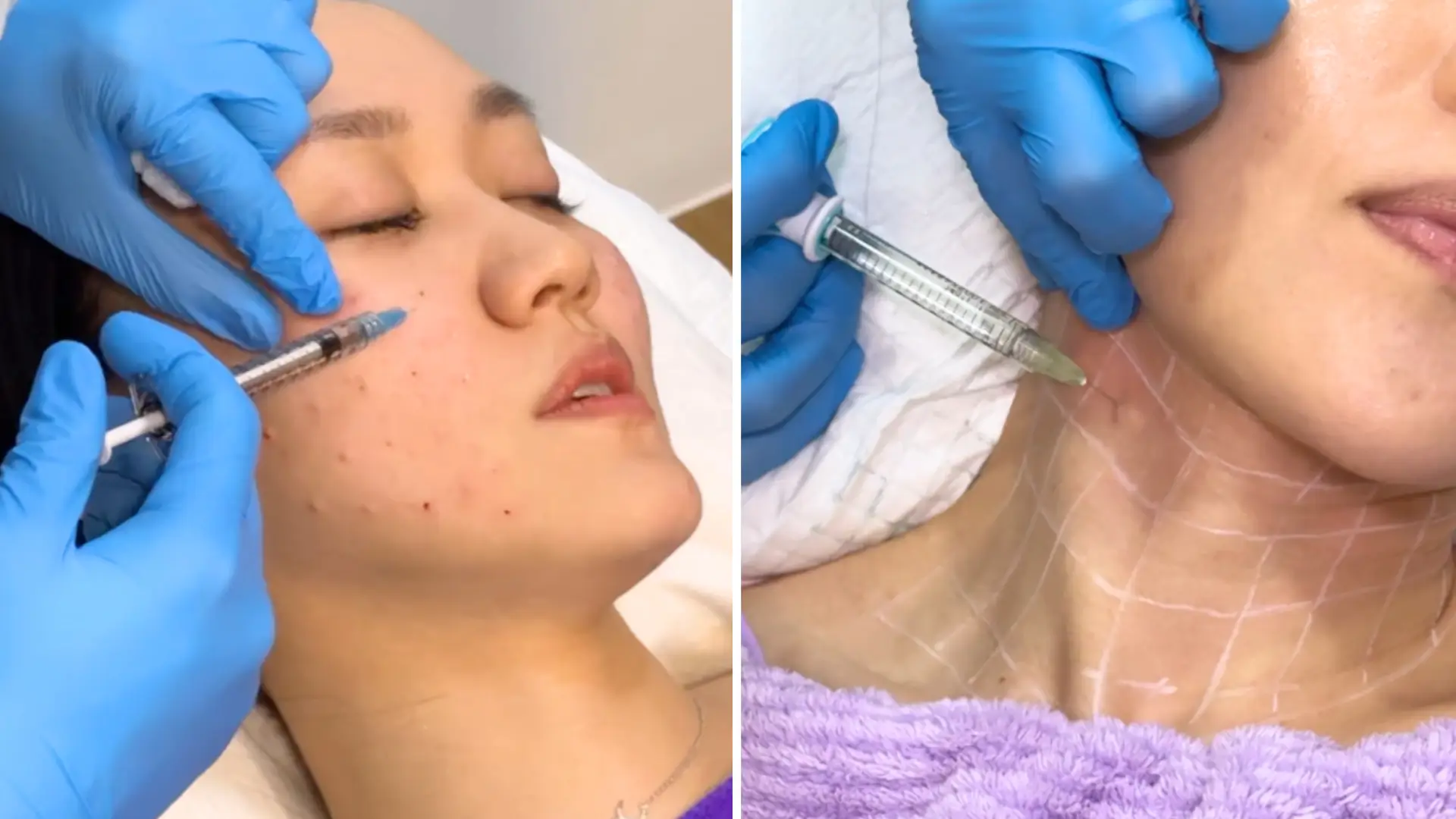
Skin boosters are fine injections placed into the upper layers of the skin. They aim to improve skin quality from within, rather than add volume. This is the key difference from dermal fillers, which replace volume and correct contours.
The main types work in slightly different ways:
- Non-crosslinked hyaluronic acid (HA): mainly hydrates the skin and improves its smoothness and radiance.
- Polynucleotides: have more evidence for supporting the skin’s repair and remodelling response.
- Other skin-conditioning blends: vary by product, so your doctor will explain what is in them and why.
Acne scars form when inflammation damages the collagen network in the deeper layers of skin, leaving a bumpy, uneven or dull surface. Skin boosters do not rebuild that network on their own. Their benefit is indirect but real: well-hydrated, better-supported skin reflects light more evenly, so shallow irregularities look less obvious and the overall texture feels softer. Some doctors also include skin boosters in scar plans for their supportive role in healing.
What skin boosters cannot do is release scars that are tethered by fibrous bands or fill scars that look like punched-out depressions. Those usually need other, more invasive treatments.
Which Acne Scars Respond to Skin Boosters?
Suitability depends on the type, depth and spread of your scars, as well as your skin condition on the day of assessment.
| Scar type | Will boosters help? | Usual primary treatment |
| Mild, superficial scarring with rough, dull or dehydrated skin | Yes, one of the best treatments to improve skin quality | Boosters, sometimes with light resurfacing |
| Shallow boxcar scars | As a supporting treatment | Fractional laser or microneedling radiofrequency (RF) |
| Rolling scars | As a supporting treatment | Subcision, then laser or microneedling RF |
| Deep boxcar scars | Limited | Fractional laser, microneedling RF, sometimes subcision |
| Deep ice pick scars | Not on their own | TCA CROSS or other targeted procedures |
| Tethered scars | Not on their own | Subcision to release the fibrous bands first |
| Post-inflammatory marks (flat red or brown marks) | Good treatment to lighten marks, and improve skin quality | Boosters, with pigment or vascular lasers, and daily sun protection |
Post-inflammatory Marks
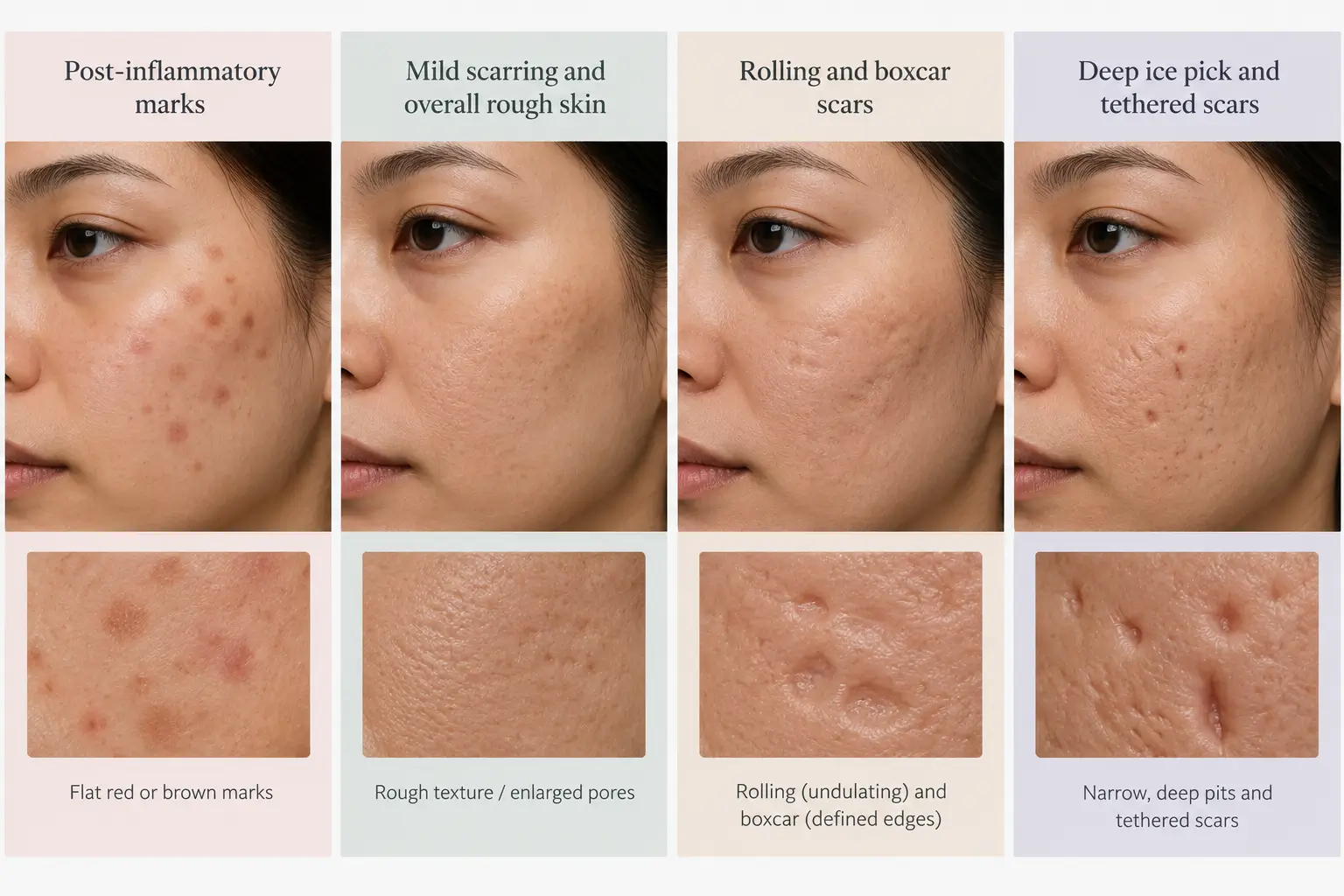
Flat red or brown marks left after pimples heal are pigmentation or vascular changes, not true scars. Skin boosters in these cases are great in improving overall skin quality, lightening pigment marks, reducing inflammation and making them heal faster.
Mild Scarring and Overall Rough Skin
If your main concern is not distinct pockmarks but a dull, rough, tight or dehydrated look, skin boosters can smooth the surface and improve radiance over time. This group often includes people with fine texture irregularity, enlarged-looking pores or a tired complexion after years of breakouts.
Rolling and Boxcar Scars
Rolling scars have a gently undulating surface because bands under the skin tether it to deeper tissue. Boxcar scars have defined edges and a flat or shallow base. Both usually do better with subcision, fractional laser or microneedling RF. Skin boosters then play a supporting role, improving hydration, comfort and skin quality. Shallow boxcar scars are borderline cases, while deep ones need other treatments first.
Deep Ice Pick and Tethered Scars
Narrow, deep ice pick scars often need targeted treatment such as TCA CROSS, and tethered scars need their fibrous bands released first. For these, boosters are an optional extra rather than the answer. A good clinic will tell you this plainly.
When Should You Wait Before Starting Skin Boosters?
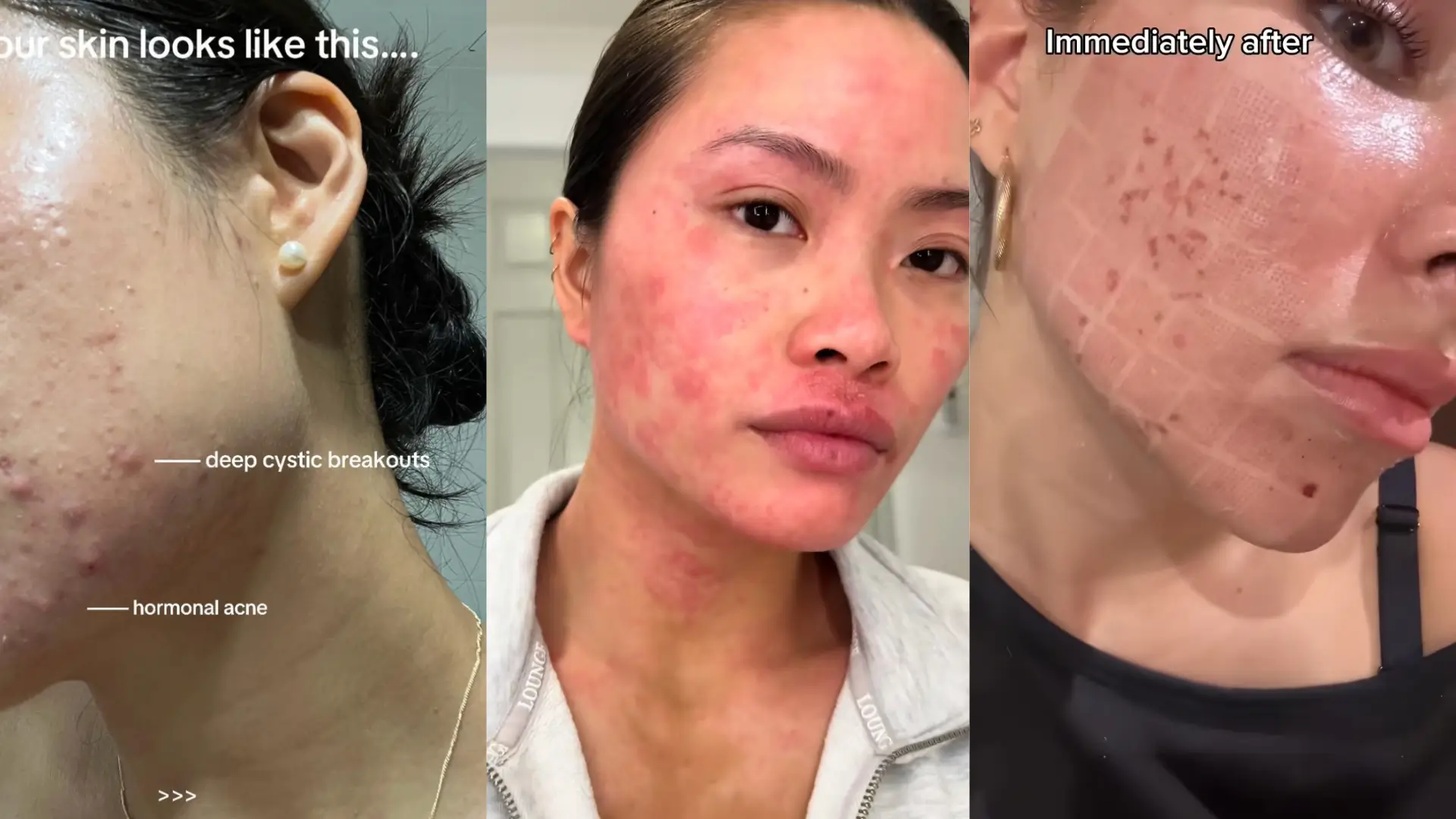
Timing matters as much as scar type. Active acne conditions that are moderate or severe should be treated first, because ongoing inflammation creates new scars and can undo your progress. Injections are not usually placed into active, inflamed lesions, so acne is treated first.
You may also need to wait, or take extra care, if you:
- have a skin infection or cold sore in the treatment area
- recently had aggressive resurfacing and are not fully healed
- are pregnant or breastfeeding
- have previously reacted to ingredients in injectable treatments
- have a medical condition, or take medication, that affects healing or bleeding
This is why a consultation always comes before treatment.
How Skin Boosters Fit into a Wider Acne Scar Treatment Plan
Yes, though how much improvement is achievable depends largely on severity.
Most people get the best results from a combination of treatments:
- Fractional lasers and microneedling RF stimulate collagen and resurface the skin.
- Subcision releases the bands pulling scars downward.
- Some chemical peels can target specific scar types.
- Pigment treatments address residual pigment or red acne marks.
- Skin boosters improve hydration and overall skin quality, and can help skin look healthier between sessions, even improving the skin’s response to other scar treatments that are being performed.
Your plan should reflect your scar types, skin colour, acceptable downtime and the outcome you want. Skin colour matters because it influences energy settings and equipment choices. Asian skin types are more prone to pigmentation changes after treatment, so an experienced doctor’s judgement is important.
Which Skin Booster is Right for Your Goal?
| If your main goal is | Treatments for consideration |
| Hydration, glow and smoother-looking skin | Non-crosslinked HA boosters |
| Skin repair, texture and quality support | Polynucleotide boosters |
| Both, or a more tailored approach | A doctor-selected combination |
The right choice depends on your skin and your doctor’s assessment, not a one-size-fits-all package.
What Results Can You Expect?
Skin boosters work gradually and progressively. A typical plan is a short course of 4 to 5 sessions spaced a few weeks apart, followed by maintenance as needed. Light scarring and roughness may look visibly softer over time, while deep scars improve mainly with additional procedures.
Be realistic: no treatment completely erases acne scars. The goal is better texture and less visible scarring in everyday life. Be cautious of any clinic that promises guaranteed or dramatic results from skin boosters alone.
Cost: The price of skin boosters can vary depending on several factors, such as the number of sessions, whether a combination of skin boosters is used, and the injection technique. Technique is a huge factor. Some clinics use an injector gun for speed and convenience, which may lead to poor placement and wasted product. Most established clinics recommend a detailed manual injection performed by the doctor. Though more costly, this helps ensure the skin booster ingredients are placed correctly. Prices therefore vary widely, from around $300 per session to $800-$1,000 per session.
Downtime, Side Effects and Aftercare
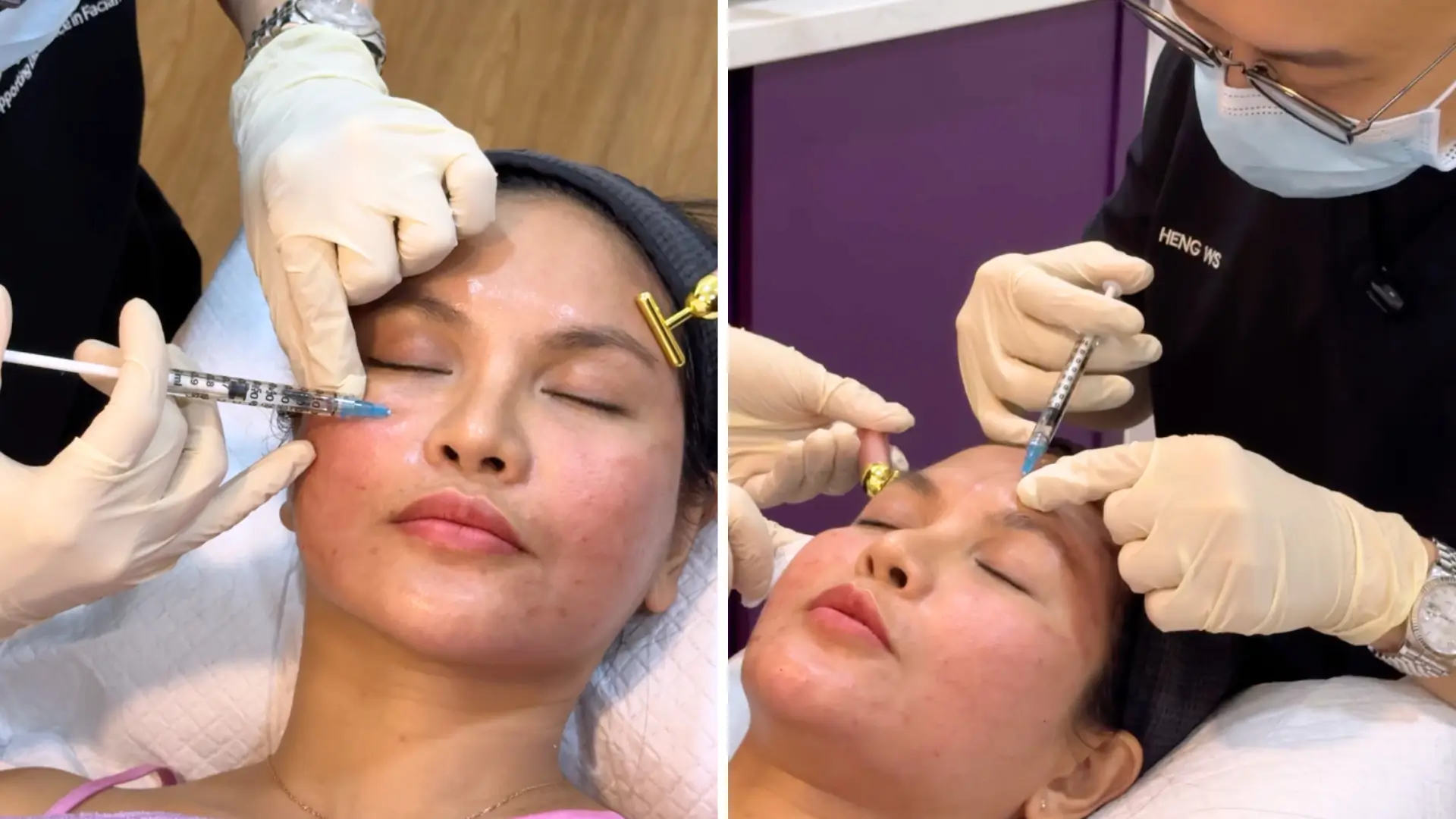
Downtime is minimal. You may notice redness, small bumps at injection sites, swelling or bruising, which usually settle within a few days. After treatment:
- apply broad-spectrum sunscreen daily, as sun exposure can worsen pigmentation and undo progress
- follow your doctor’s advice on skincare and on avoiding strong actives or other procedures for a short period
- contact your clinic if you notice unusual swelling, pain or signs of infection
What to Check Before Choosing A Clinic
Because skin boosters are medical injections, look for:
- A doctor-led consultation that documents why injections are, or are not, suitable for you.
- An honest discussion of scar type, expected results, downtime, side effects and alternatives.
- Approved products: ask whether the products and devices are registered and whether the doctor will explain exactly what is being injected.
- A personalised plan. Be wary of package deals where everyone receives the same treatment.
At The Ogee Clinic, the doctor first assesses your scar type, then recommends the combination that will benefit you, not the most procedures.
The Bottom Line
Skin boosters can be a useful part of acne scar care for mild scarring, uneven texture and dull skin. They are not enough on their own for every scar. The most suitable treatment depends on your scar type, skin condition and goals. If you are unsure whether boosters will help your scars, book a consultation with The Ogee Clinic for a tailored skin analysis.