The Age of Aesthetic Treatment Normalisation
You see it everywhere now. Your favourite celebrity refreshed her look. Your colleague mentions she “just got a little something done.” The CEO in the corner office has that effortless, well-rested glow. And you’re wondering: Should I be doing something too? Am I already too late… or am I jumping in too early?
The truth is, aesthetic medicine has transformed. It’s no longer whispered about in exclusive clinics, it’s normalised, demystified and more accessible than ever. But with that accessibility comes a crucial question: when should you actually start?
Is There a “Right Age” to Begin?

(Both Adele & Vanessa are turning 38 in 2026!)
One of the most common misconceptions in aesthetic medicine is that there is a specific age at which treatments should begin. In reality, there is no universal answer. The skin and face does not age according to a fixed timeline and two individuals of the same age can present very differently.
In clinical practice, decisions are rarely based on age alone. Instead, they are guided by observable changes in the skin.
A 28-year-old with years of beach holidays in Southeast Asia might show sun damage that a 38-year-old with consistent sunscreen habits won’t see for another decade. A naturally expressive person might develop forehead lines at 32, while someone with a more still face won’t see them until 45.
Clinical reality: Aesthetic doctors rarely (if ever) make decisions based on age alone. Instead, we assess: What is your skin actually showing?
- Fine lines at rest (not just expression lines)?
- Early volume loss in the cheeks or under eyes?
- Loss of skin radiance or elasticity?
- Pigmentation or texture changes?
These are the signals. Not your birthday.
Preventive vs Corrective Treatments
A useful way to understand aesthetic medicine is to distinguish between preventive and corrective treatments. Preventive treatments are designed to slow down the development of visible aging, while corrective treatments aim to address changes that have already occurred.
@skndoctor What you need to be considering skincare wise… 30s edition‼️👩🏽🏫 #skincarechecklist
In younger patients, the focus is often on prevention. Subtle interventions may be used to soften early muscle activity that leads to wrinkles, improve hydration, or address pigmentation before it becomes more pronounced. These treatments are typically conservative and carefully calibrated to maintain a natural appearance.

As patients get older and signs of aging become more visible, the approach gradually shifts towards correction. This may involve restoring lost volume, softening deeper lines, and improving skin laxity through a combination of injectables and energy-based devices. The most effective outcomes are usually achieved through a balanced approach that integrates both strategies over time.
How Treatment Needs Change With Age
Let’s get specific. Here’s what’s realistically happening to your skin and what typically makes sense at each stage.

In your 20s, your skin is still firm. Collagen production is humming along. Most people in their 20s don’t need injectables, and frankly, if they’re getting them, we should ask why.
What to focus on:
- Sun protection (this prevents 80% of premature aging)
- Medical-grade skincare (hydration and clarity)
- Treatments that maintain skin health: gentle laser work for acne, hydrating facials, light peels
When intervention might make sense:
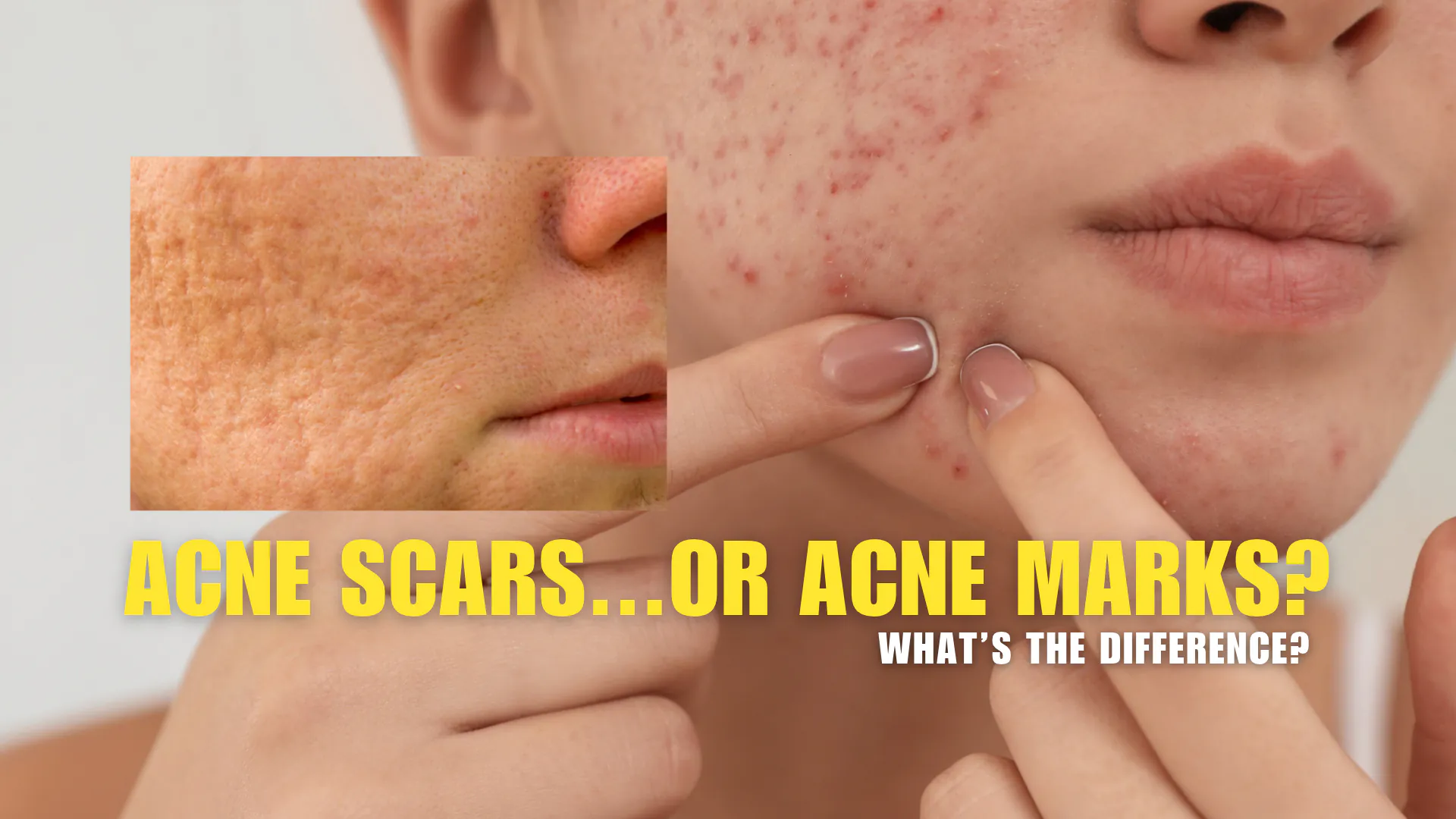
- Early signs of acne scarring that won’t resolve naturally
- Exceptionally early fine lines (usually genetic)
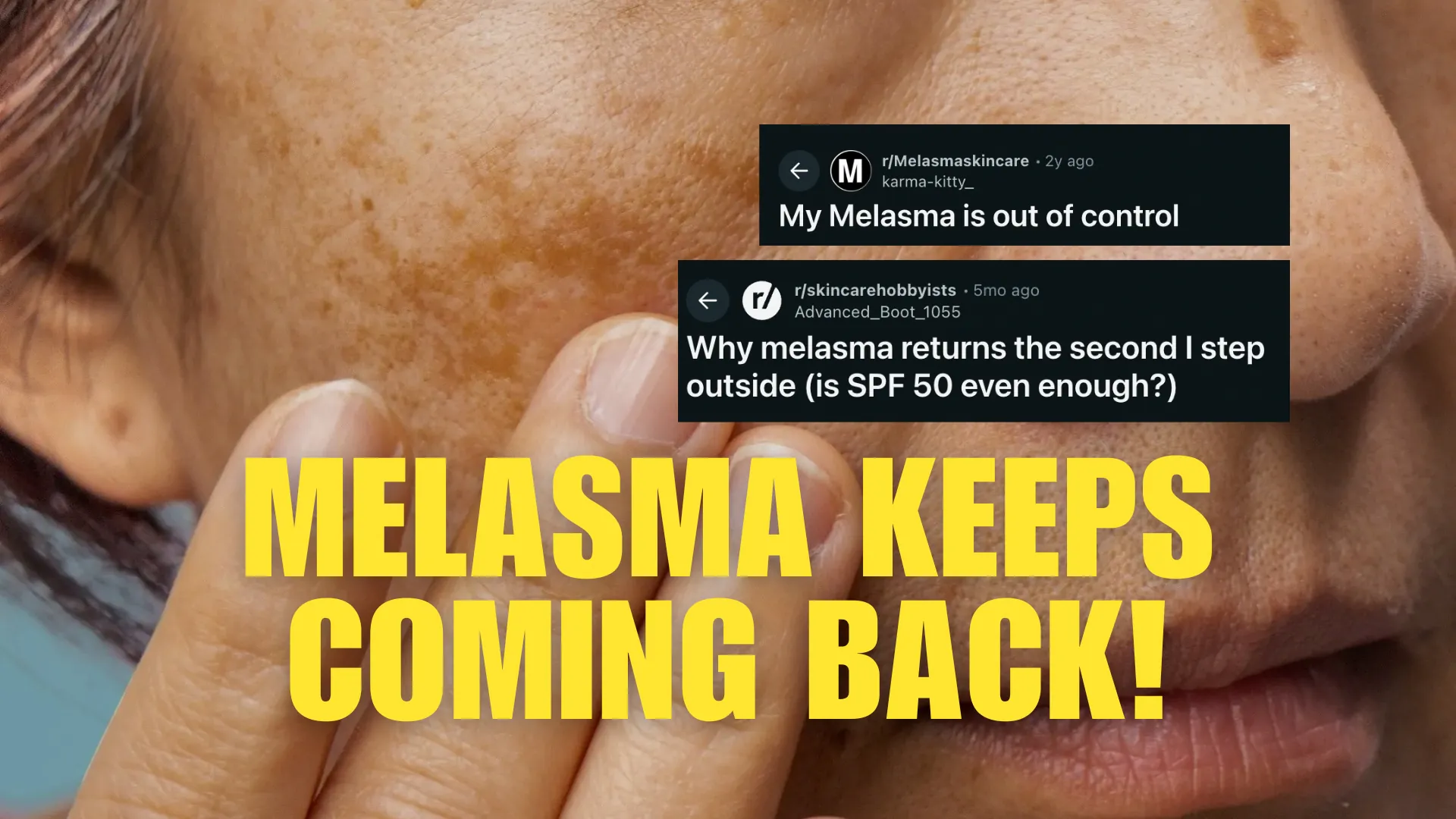
- Pigmentation or texture issues
These are minimal – maybe 5% of people in this age group need anything beyond excellent skincare and sun protection.
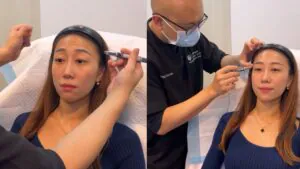
By the 30s, early signs of aging begin to emerge. Fine lines start appearing, especially with movement. Collagen production is slowing. That glow you took for granted? It requires a bit more intention now.
What typically appears:
- Dynamic wrinkles (lines that show with expression)
- Very subtle volume loss
- Early loss of radiance
What often works:
- Botulinum toxin for dynamic wrinkles (the earlier you address movement, the less deep they become)
- Skin boosters for hydration and quality
- Strategic use of subtle fillers in high-impact areas (tear troughs, lips)
- Laser treatments for texture and tone
The philosophy: Early intervention. You’re catching subtle changes before they become pronounced.
In the 40s, aging becomes more visible. Volume loss in cheeks and under-eye areas contributes to that tired look. Skin laxity becomes noticeable. Static lines (lines even at rest) might appear.
What’s happening:
- Visible volume loss in the mid-face
- Deeper lines and folds
- Reduced elasticity
- More noticeable texture changes
What typically works:
- A combination approach: injectables + energy-based devices working together
- Strategic fillers for structural support
- Skin tightening technologies (radiofrequency, ultrasound)
- Advanced laser treatments
- Collagen-stimulating injectables
Why it matters: Single treatments rarely cut it at this stage. You need layers of intervention: volume restoration, skin tightening, collagen stimulation. This is where “natural-looking” requires more sophistication from the doctor.
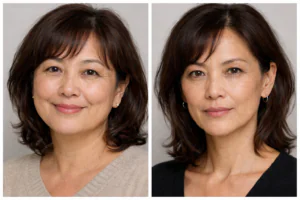
Beyond the 50s, the aging process accelerates. Changes in bone structure, fat distribution and collagen become pronounced. This is where aesthetic medicine can deliver remarkable results, but the strategy must be thoughtful.
What’s happening:
- Significant bone resorption (your face’s structural support is diminishing)
- Deeper volume loss
- More pronounced skin laxity
- Changes in skin quality and texture
What typically works:
- Advanced filler techniques focusing on structural support
- Collagen-stimulating injectables
- Multiple energy-based skin tightening treatments
- In some cases, complementing non-surgical treatments with surgical options
- Comprehensive skincare and maintenance protocols
The principle: At this stage, aesthetic medicine is about rebuilding support and maintaining quality. It’s restoration, not prevention.
The Real Factors That Determine Your Timing
Age is just one data point. Here’s what actually matters:

One of the most significant influences is genetics. Some individuals are naturally predisposed to develop wrinkles, volume loss or skin laxity earlier than others. For example, patients with thinner skin or more expressive facial muscles may notice lines forming at a younger age, even with good skincare habits.
Another key factor is sun exposure, which remains one of the primary causes of premature aging. In a climate like Singapore, where UV exposure is consistently high, cumulative sun damage can accelerate the breakdown of collagen and lead to pigmentation, fine lines, and uneven skin texture. Patients who have had prolonged sun exposure often show signs of aging earlier, regardless of their chronological age.
@itssummerpark My mom and I believe that true skincare isn’t just about what you apply on your skin — it starts from within. This is Part 1 of our “Eating Skincare” series: our favorite Carrot Salad 🥕 👩🏻🍳 Carrot Salad 🔸 Ingredients • 2 carrots • 2 Tbsp olive oil • 2 Tbsp whole grain mustard • 1 Tbsp lemon juice • 1 Tbsp allulose (optional) 🔸 How to Make Thinly slice the carrots. Add all the dressing ingredients and toss well. We’ll be back soon with another Eating Skincare recipe 🤍 #slowaging #slowage #koreanskincare #koreanfood #koreanstyle
Lifestyle choices also play a critical role. Smoking, poor sleep, high stress levels, and an unbalanced diet can all contribute to faster skin aging. On the other hand, individuals who maintain a healthy lifestyle and consistent skincare routine may find that they can delay the need for medical treatments.
@kseniia_beauty when you think it’s over but your acne says “hi again” 😭😭😭 #acneskin #acne #hormonalacne #cysticacne #comedones #pimples #acneproneskin
Skin type and underlying concerns further influence the timing of intervention. Patients with acne-prone or pigmentation-prone skin may benefit from earlier use of lasers or medical treatments to maintain skin clarity. Others may primarily experience volume loss or sagging later in life, requiring a different approach altogether.
Ultimately, these factors reinforce a central principle in aesthetic medicine: treatment should be guided by how your skin and face behaves, not simply by how old you are.
The Risk of Wrong Timing (Both Directions)
Let’s address the elephant in the room: what happens if you start too early or wait too long?
Both starting too early and starting too late come with their own considerations. Early treatment without clear need can result in unnecessary procedures and long-term cost, while delayed intervention may require more intensive correction later on.
The optimal approach lies somewhere in between. When treatments are introduced at the right time (guided by actual skin changes rather than trends) they tend to be more effective, more subtle, and easier to maintain. This is where the guidance of an experienced aesthetic doctor becomes invaluable.
How to Make the Right Decision for You
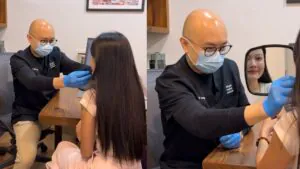
This is personal. No two people age identically. No protocol fits everyone.
A proper approach involves:
- A genuine assessment Not a sales pitch. A real evaluation of your skin quality, facial structure, and how you’re aging specifically.
- Your goals and concerns Not what’s trending. Not what your friends are doing. What matters to you?
- A philosophy of restraint The best results are often invisible. People notice you look refreshed, rested, and like yourself, just better. They don’t think, “Oh, she got work done.” That requires technical skill but also wisdom about when enough is enough.
- Long-term thinking One treatment is rarely the answer. The best outcomes come from a plan: a strategy that unfolds over time, with treatments building on each other intelligently.
Final Thoughts
There is no universal age when aesthetic treatments should begin. The decision is inherently personal and should be based on your skin, your concerns, and your goals.
When approached thoughtfully, aesthetic treatments are not about changing how you look, but about supporting how you age. Whether you begin in your 20s, 30s, or later, the key is to start for the right reasons and with the right guidance.