In short
- Sagging jowls are caused by a combination of skin laxity, collagen loss, changes in facial fat, reduced structural support, genetics, and the natural ageing process rather than loose skin alone.
- HIFU uses focused ultrasound energy to stimulate collagen production and tighten deeper tissues, making it particularly suitable for mild to moderate skin laxity. Results develop gradually over the following months.
- RF microneedling combines radiofrequency energy with controlled microneedling to stimulate collagen and improve skin firmness, texture, and overall definition. Multiple sessions may be required.
- Dermal fillers and collagen-stimulating treatments can restore structural support and improve facial proportions by addressing volume loss in areas such as the cheeks, chin, or jawline, rather than simply adding volume to the jowls.
- The most effective approach depends on the underlying cause and severity of the jowling. A combination of treatments may provide more balanced, natural-looking results, although non-surgical treatments cannot replicate the degree of lifting achieved with a surgical facelift.

Jowls refer to the loose or drooping tissue that develops along the jawline as we age. They can make the lower face appear heavier, blur the distinction between the face and neck and create a tired or older appearance even when the rest of the face still looks youthful.
Many patients will start noticing their jowls starting in their mid 30s and they get progressively harder to ignore. Frequently, the patients who come to seek treatment for their jowls hope to deal with it effectively without having to undergo surgery.
The good news? You do not have to go under the knife to address them.
What Actually Causes Sagging Jowls?
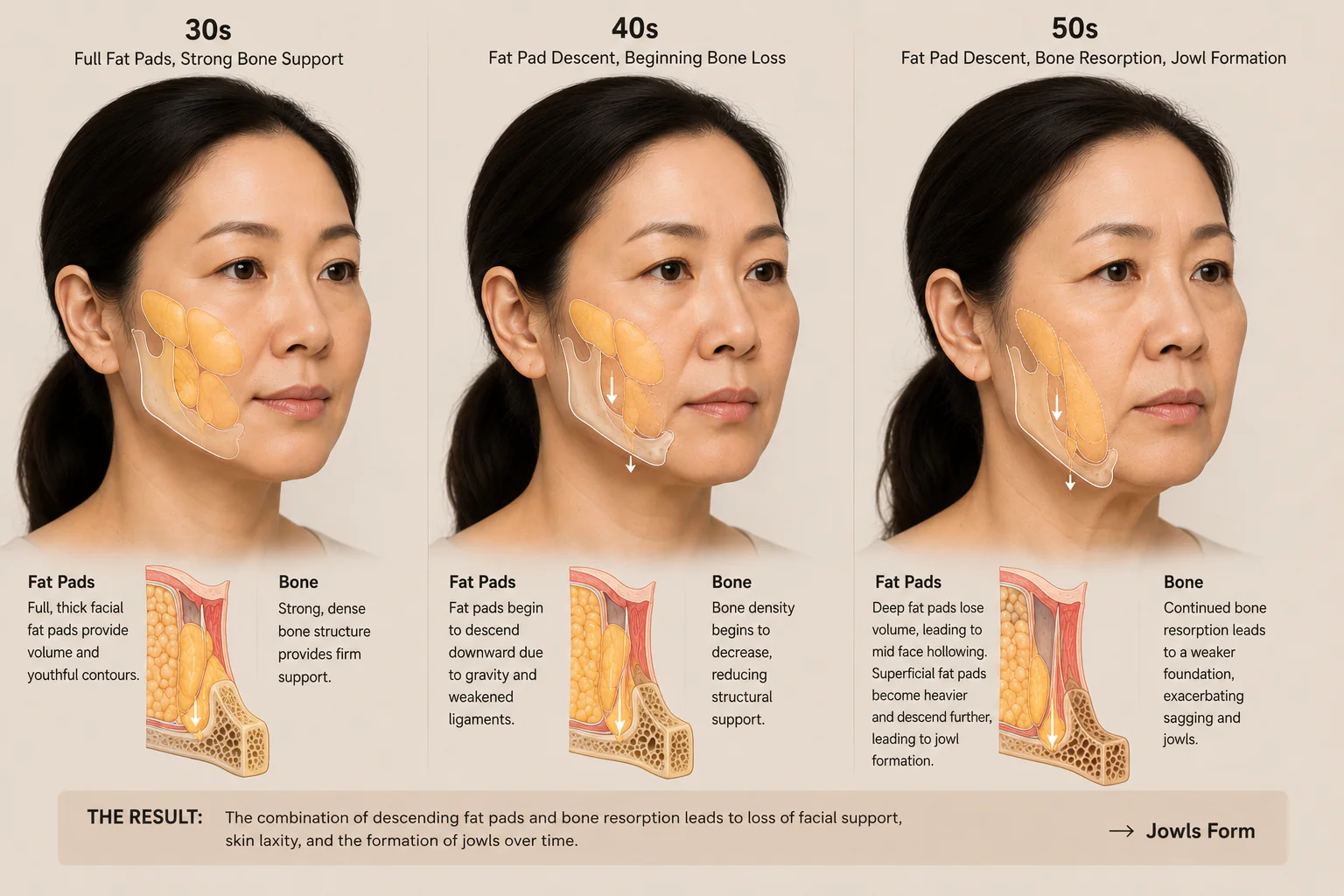
Contrary to popular belief, sagging jowls are not simply caused by loose skin. Facial ageing occurs at multiple anatomical levels simultaneously:
1. Loss of Collagen and Elastin
From our late 20’s onwards, collagen production gradually declines. Elastin fibres also become weaker over time. These structural proteins help keep skin firm and resilient. As they diminish, the skin becomes thinner, less elastic and far more prone to sagging.
2. Descent of Facial Fat Pads
Youthful facial fat is positioned higher in the face, particularly in the cheeks. With age, these fat compartments gradually descend due to gravity and ligament laxity. As cheek support decreases, tissue begins to accumulate around the lower face and jawline, contributing to jowl formation.
3. Bone Resorption
An often-overlooked cause of facial ageing is gradual bone loss. The jawbone, chin, and cheekbones lose structural volume over time. This reduces the support available for the overlying soft tissues, accelerating sagging.
4. Skin Laxity
Years of sun exposure, environmental stressors and the natural ageing process weaken the skin’s support network. Loose skin along the jawline is the visible consequence.
5. Genetics and Lifestyle Factors
Some individuals are genetically predisposed to developing heavier lower faces or weaker jawline definition.
Factors that may accelerate jowl formation include:
- Excessive UV exposure
- Smoking
- Significant weight fluctuations
Because jowls develop from several ageing mechanisms simultaneously, a single treatment rarely provides the best outcome.
Can Sagging Jowls Really Be Treated Without Surgery?
Yes, though how much improvement is achievable depends largely on severity.
For patients with mild to moderate jowls, non-surgical treatments can:
- Improve jawline definition
- Tighten loose skin
- Restore facial support
- Stimulate collagen production
- Improve overall facial contours
However, it is important to understand that non-surgical treatments CANNOT replicate the lifting achieved by a surgical facelift.
A facelift physically repositions deeper tissues and removes excess skin.
Non-surgical treatments work differently. They improve the quality and support of existing tissues, creating a more natural-looking rejuvenation.
For many patients in their 30s, 40s, and 50s, this is often sufficient to achieve a noticeable improvement without surgery.
The Best Non-Surgical Treatments for Sagging Jowls
HIFU Skin Tightening
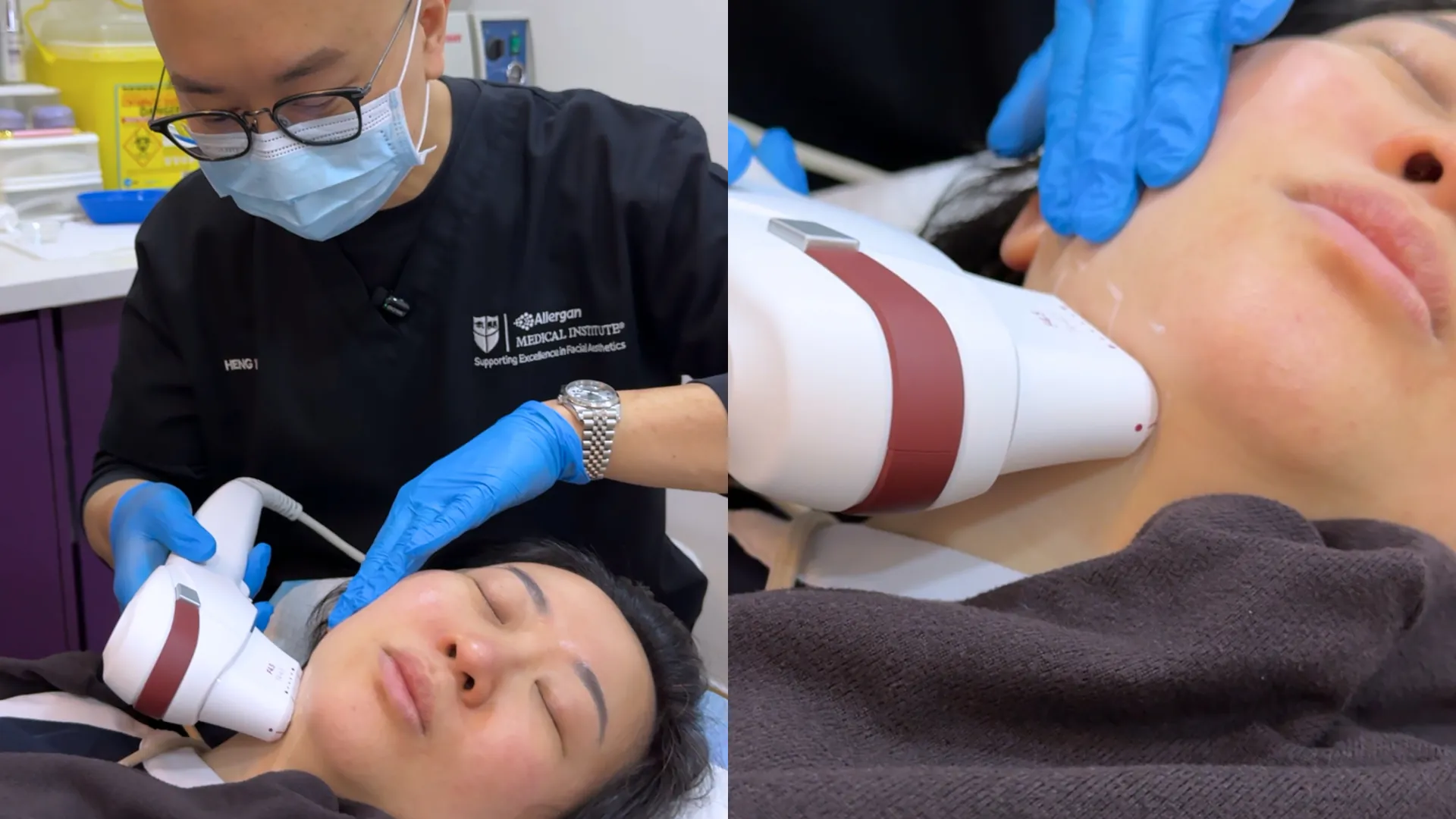
High-Intensity Focused Ultrasound (HIFU) has become one of Singapore’s most popular jawline treatments and with good reason. Ultrasound energy creates precise thermal zones deep beneath the skin, triggering collagen production and tissue contraction.
Modern HIFU devices can target multiple depths, including deeper support structures responsible for facial sagging.
Benefits include:
- No needles
- Minimal downtime
- Gradual natural-looking improvement
- Improved jawline definition
- Collagen stimulation over several months
HIFU tends to work best for:
- Early jowl formation
- Mild skin laxity
- Preventative ageing treatments
- Patients in their 30s and 40s
Results generally continue improving for 2 to 6 months after treatment.
RF Microneedling for Skin Tightening
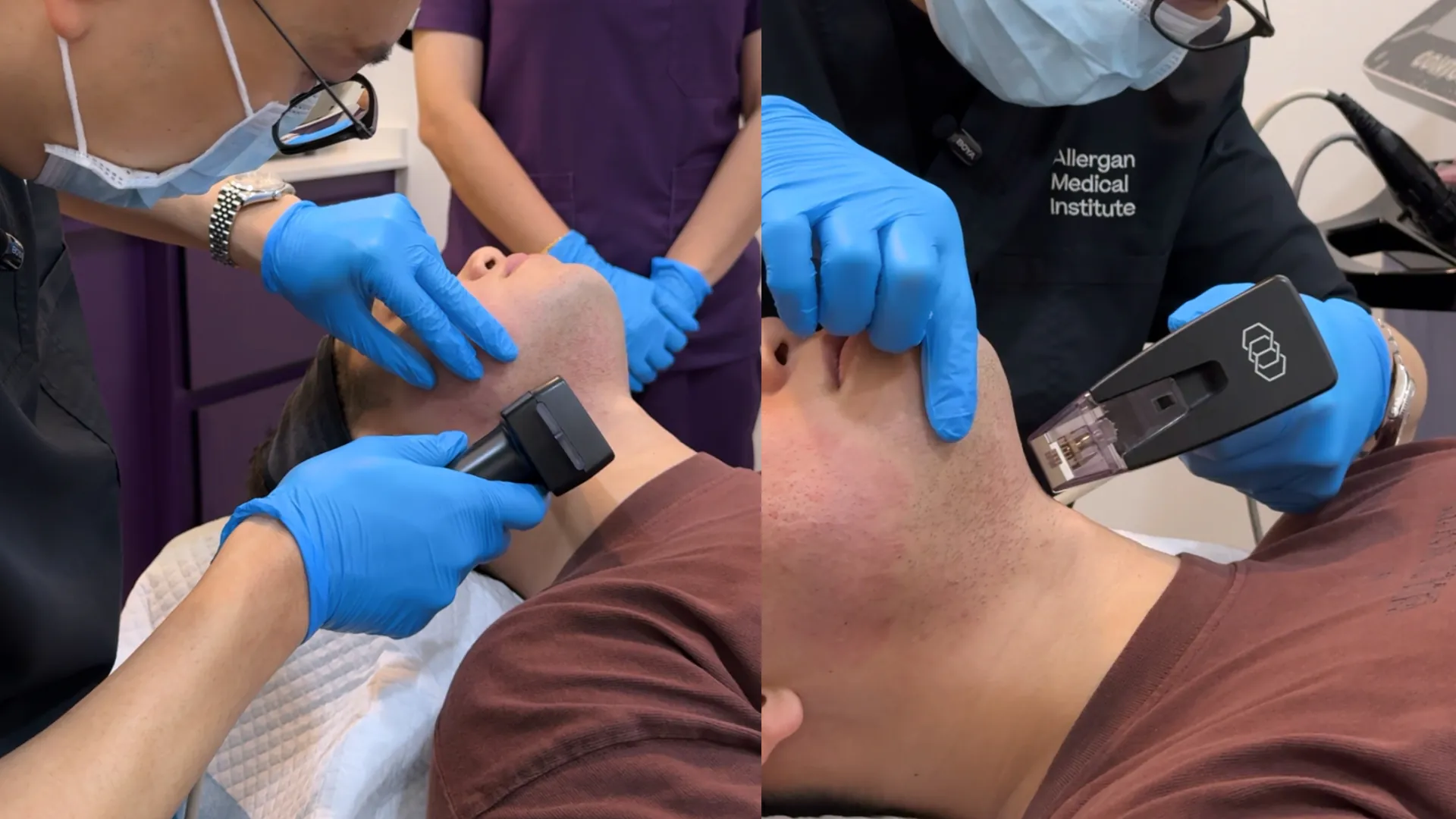
RF microneedling combines controlled microneedling with radiofrequency energy. Devices such as Morpheus 8 and similar technologies stimulate collagen production at multiple levels of the skin.
Many patients choose RF microneedling because it addresses several concerns simultaneously:
- Skin laxity
- Enlarged pores
- Acne scars
- Fine lines
- Skin texture
- Overall skin quality
For patients with mild to moderate jowls, RF microneedling can improve skin firmness while enhancing overall skin appearance. Multiple sessions are usually recommended for optimal results.
Dermal Fillers for Structural Support
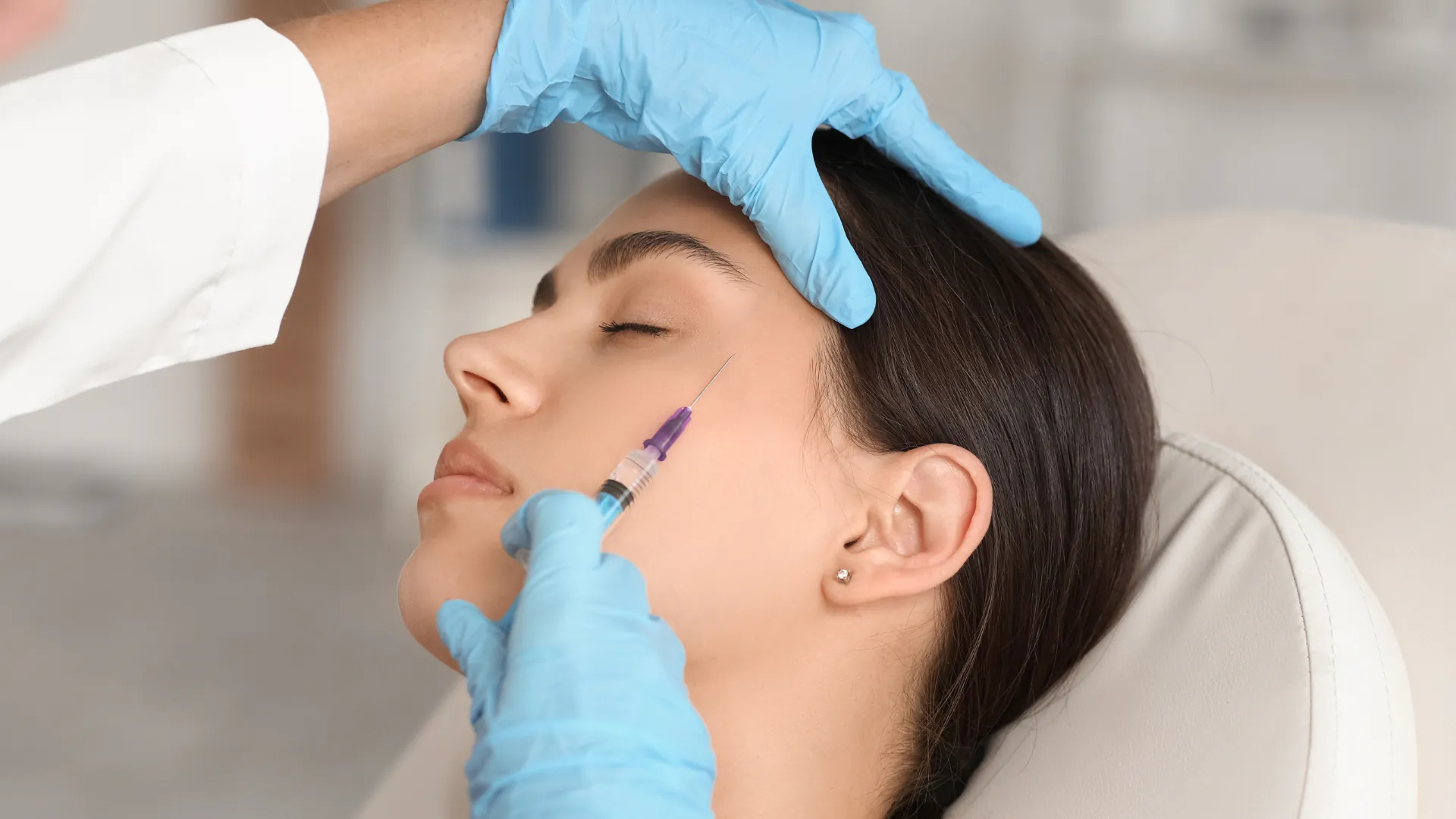
This is where a lot of patients get the wrong idea. Filling jowls directly is rarely the right answer and experienced injectors know this. Instead, fillers are used strategically to restore volume in areas that have lost structural support over time: the cheeks, temples, chin and jawline.
By rebuilding facial structure, the root cause of the jowls are being addressed, and the lower face often appears more lifted and better supported.
Patients who typically benefit include those with:
- Volume loss
- Hollow cheeks
- Early jowl formation
- Weak chin projection
- Poor jawline definition
When performed conservatively, filler treatments can produce natural-looking improvements while preserving facial expression.
Collagen Stimulators
Unlike traditional fillers, collagen stimulators such as Sculptra and Radiesse are not about adding volume. They are about triggering the body’s own regenerative processes. Over time, they improve skin firmness, facial support, skin thickness and long-term structural integrity.
Advantages include:
- Natural-looking outcomes
- Progressive improvement
- Longer-lasting results
- Whole-face rejuvenation
Many aesthetic doctors now consider collagen stimulators one of the most valuable treatments for patients experiencing early to moderate facial sagging.
Botulinum Toxin for Lower Face Rejuvenation
Botulinum toxin plays a supporting, rather than leading, role in jowl treatment. One popular technique is the Nefertiti Neck Lift, in which selected neck muscles are relaxed to reduce the downward pull on the lower face.
The result is subtler than other treatments, but patients often notice improved jawline definition, reduced neck banding and a more lifted overall appearance. It works best as part of a broader combination plan rather than as a standalone solution.
Which Treatment Is Best for Sagging Jowls?
Honestly? There is no single “best” treatment, only the most appropriate one for your specific situation.
The most suitable approach depends on the underlying cause of the jowls.
For example:
- Volume loss responds best to volumising fillers, or collagen stimulators when the loss is mild or accompanied by regional laxity
- For patients with pure skin laxity masquerading as jowls, skin tightening procedures like HIFU or RF microneedling can be very effective
- Muscle-related downward pull that worsens marionette lines and cause downturned appearance of the mouth should be treated with botulinum toxin adequately
- Multiple ageing factors. If a patient’s jowls are more severe or has more complex causes, a combination treatment plan should be designed and discussed
Why Combination Treatments Produce Better Results
Facial ageing is multifactorial. It makes sense, then, that the most effective treatment plans are too.
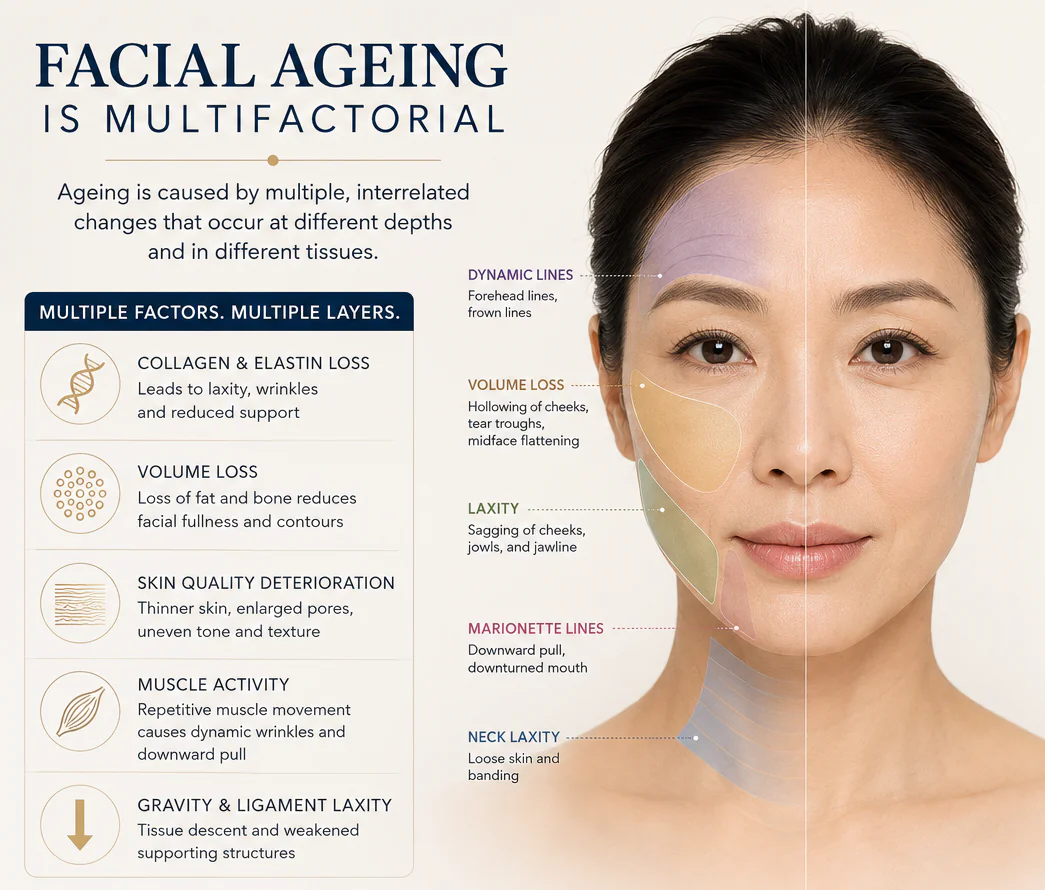
Different treatments address different causes of ageing:
- HIFU achieves deep tissue and surface skin firming
- RF microneedling targets skin tightening, texture, and subdermal remodelling
- Dermal fillers provide visible volume improvement and structural support
- Collagen stimulators lift, firm and drive long-term collagen regeneration
- Botulinum toxin addresses the muscle-related downward pull that worsens marionette lines and a downturned mouth
By working across multiple ageing mechanisms at once, patients achieve more balanced, natural-looking outcomes and this multi-layer approach is now considered the gold standard in non-surgical facial rejuvenation.
How Long Do Results Last?
Treatment longevity varies depending on the procedure performed.
Typical durations include:
- Botulinum toxin: 3-4 months
- Dermal Fillers: 6-18 months
- HIFU: 12-18 months
- RF Microneedling: 12 months or more
- Collagen Stimulators: Up to 18 months or longer
Maintenance treatments are typically required because the ageing process continues over time.
Patients who maintain healthy lifestyles, stable weight, good skincare habits and consistent sun protection often enjoy longer-lasting results.
Can Skincare Help Sagging Jowls?
Skincare alone cannot significantly lift established jowls but dismissing it entirely would be a mistake. Good skincare helps maintain skin quality and supports the longevity of aesthetic treatment results.
A few key ingredients are worth prioritising. Retinoids remain among the most extensively studied actives for collagen stimulation and skin rejuvenation. Vitamin C helps protect existing collagen from oxidative damage whilst brightening overall skin tone. Peptides and growth factors support skin repair and sustained skin quality over time.
And above all else: sunscreen. Daily broad-spectrum SPF use is arguably the single most impactful anti-ageing habit available to you. Ultraviolet radiation is one of the leading drivers of collagen breakdown and premature skin ageing and in Singapore’s tropical climate, consistent protection is non-negotiable.
Final Thoughts
Sagging jowls are one of the earliest and most noticeable signs of facial ageing but surgery is no longer the only option.
Advances in HIFU, RF microneedling, dermal fillers, collagen stimulators and combination rejuvenation strategies now allow many patients to achieve meaningful improvements without significant downtime.
The most successful treatments look beyond simply tightening skin. They restore facial support, rebuild collagen and improve skin quality across multiple layers of the face, leaving patients with a sharper jawline, improved contours and a refreshed appearance that still looks entirely like themselves.