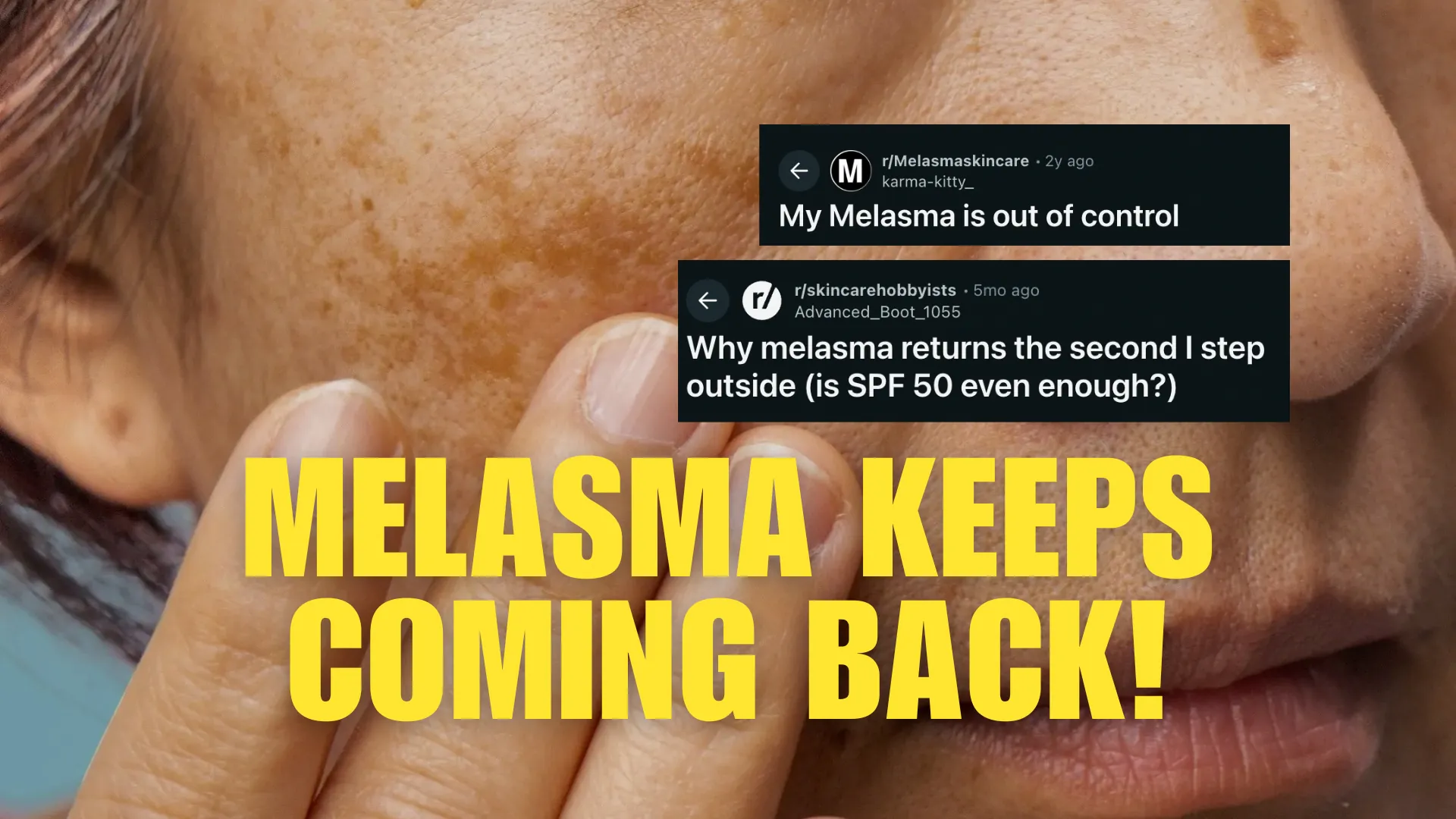
In our clinic, a significant proportion of patients seek consultation specifically for melasma and complex hyperpigmentation. Unlike simple sun spots, melasma is a chronic, relapsing pigmentary disorder that requires a deep understanding of its causes, triggers, and long-term management strategies.

What Is Melasma?
Melasma is an acquired hyperpigmentation disorder characterised by symmetrical brown, grey-brown, or bluish patches on sun-exposed areas of the face. It most commonly affects:
- Cheeks
- Forehead
- Upper lip
- Nose
- Jawline
Melasma occurs due to overactive melanocytes, the pigment-producing cells in the skin, leading to excessive melanin production and deposition.
Unlike freckles or sun spots, melasma is not just a surface problem. It involves complex interactions between:
- Ultraviolet (UV) radiation
- Hormones
- Inflammation
- Genetics
- Skin barrier health
This complexity is why melasma can be persistent, recurrent, and emotionally distressing for many patients.
Why Is Melasma So Common in Singapore?
Melasma is especially prevalent in tropical, equatorial regions, and Singapore presents a near-perfect environment for its development.
1. High UV Exposure All Year Round

Singapore experiences:
- Consistently high UV index
- Intense UVA exposure, even on cloudy days
- Year-round sun exposure without seasonal relief
UVA rays penetrate deeply into the skin, stimulating melanocytes and worsening pigment deposition—even without visible sunburn.
2. Heat and Infrared Radiation
Beyond UV rays, heat and infrared radiation (from the sun, hot weather, and even cooking environments) can trigger melanocyte activity and inflammation, contributing to melasma flares.
This explains why some patients notice worsening pigmentation even without obvious sun exposure.
3. Skin Types Common in Singapore
Melasma is more prevalent in:
- Fitzpatrick Skin Types III to V
- Asian, Hispanic, Middle Eastern, and darker skin tones
These skin types naturally have more active melanocytes, making them more prone to pigmentary disorders.
4. Hormonal Factors
Hormones play a major role in melasma development. Common triggers include:
- Pregnancy (“mask of pregnancy”)
- Oral contraceptive pills
- Hormone replacement therapy
- Hormonal imbalances
Even after hormonal triggers subside, melasma can persist due to sensitised melanocytes.
5. Genetics and Family History
Patients with a family history of melasma are significantly more likely to develop it, especially when combined with sun exposure and hormonal influences.
Types of Melasma: Why Classification Matters
Understanding the type and depth of melasma is essential for selecting the right treatment approach.
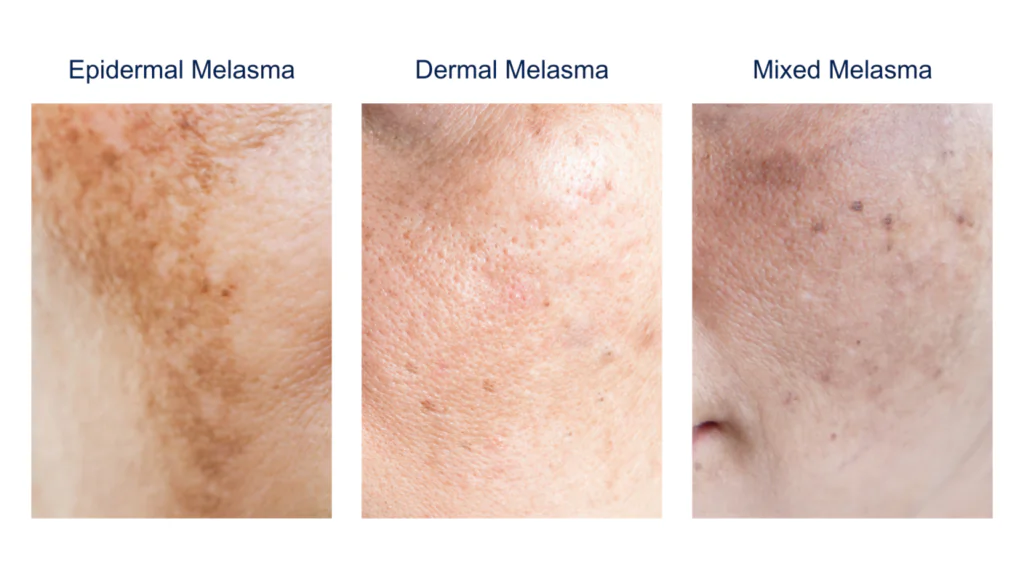
1. Epidermal Melasma
- Pigment is located in the upper layers of the skin
- Appears brown
- More responsive to topical treatments and lasers
Prognosis: Generally better with appropriate treatment
2. Dermal Melasma
- Pigment lies deeper in the dermis
- Appears greyish or bluish
- More resistant to treatment
Prognosis: Improvement is possible, but complete clearance is unlikely
3. Mixed Melasma (Most Common)
- Combination of epidermal and dermal pigment
- Requires a multi-modal treatment approach
What Causes Melasma? A Deeper Medical Perspective
Melasma is not caused by a single factor. Instead, it results from chronic stimulation of melanocytes due to:
- UV and visible light exposure
- Hormonal signalling
- Chronic low-grade skin inflammation
- Impaired skin barrier function
- Vascular changes in the skin
Modern research shows that melasma is also a photoaging disorder, involving not just pigment but changes in blood vessels, collagen, and skin structure.
Treatment Options for Melasma in Singapore
Melasma treatment must be individualised and layered. There is no single “magic” treatment.
1. Topical Medicated Creams (Foundation of Treatment)
Topical therapy is essential for both active treatment and maintenance.
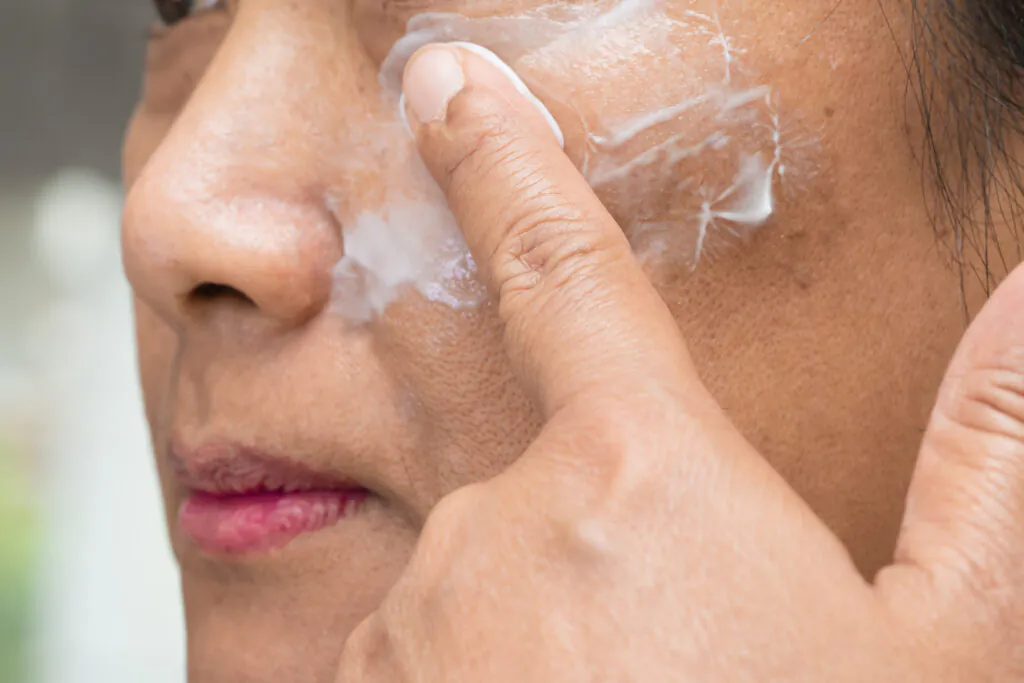
Common Medical Ingredients:
- Hydroquinone – Gold standard pigment suppressor
- Cysteamine – a novel, effective ingredient that targets important pigment pathways
- Retinoids – Increase cell turnover and enhance penetration
- Azelaic acid – Anti-inflammatory and pigment-reducing
- Kojic acid, arbutin, tranexamic acid
- Anti-inflammatory agents
These are often prescribed as:
- Combination creams
- Cycled regimens to reduce irritation
- Maintenance formulations
Key point: Incorrect or prolonged use can worsen melasma, making medical supervision crucial.
2. Oral Medications and Supplements

Oral therapy targets melasma from within, especially in recurrent cases.
Oral Tranexamic Acid (TXA)
- Reduces melanocyte stimulation
- Improves vascular component of melasma
- Commonly used in low doses under medical supervision
Antioxidants and Skin Supplements
- Vitamin C, Polypodium leucotomos
- Support UV defence and skin recovery
Oral therapy is often used as an adjunct, not a standalone treatment.
3. Laser and Energy-Based Treatments
Lasers can be helpful-but also risky-if not used appropriately.
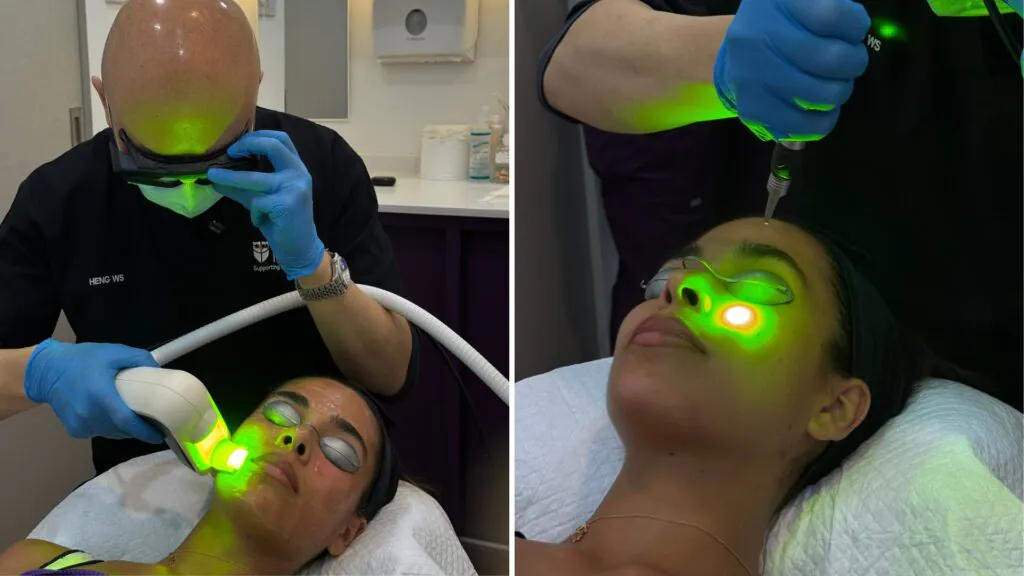
Suitable Laser Options:
- Low-fluence Q-switched Nd:YAG
- Picosecond lasers (selective cases)
- Non-ablative laser toning protocols
Important Considerations:
- Over-aggressive laser treatment can worsen melasma
- Treatments should be spaced and conservative
- Heat-based devices must be used cautiously
Laser therapy is best used as part of a comprehensive plan, not as a quick fix.
What to Expect During Melasma Treatment
1. Gradual Improvement, Not Instant Results
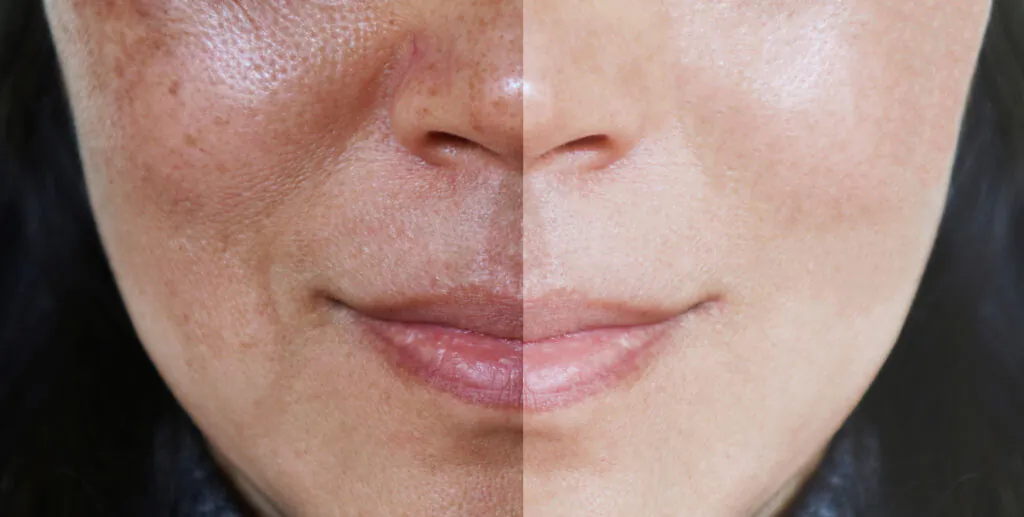
Melasma improves slowly over months, not days or weeks. Early improvements include:
- More even skin tone
- Reduced contrast of patches
- Improved skin clarity
2. Possible Fluctuations
Temporary darkening or mild irritation can occur during treatment adjustments. This does not mean failure it requires medical fine-tuning.
3. Combination Therapy Is Normal
Most patients require:
- Topical creams
- Oral support
- Occasional in-clinic treatments
Melasma is best treated as a long-term condition, not a one-time procedure.
The Crucial Role of Maintenance in Melasma Management
Melasma is chronic and relapsing, meaning it can return if maintenance is neglected.
1. Sun Protection Is Non-Negotiable

- Broad-spectrum sunscreen (UVA, UVB, visible light)
- Reapplication every 2-3 hours
- Physical barriers: hats, umbrellas
Even minimal sun exposure can undo months of progress.
2. Ongoing Medical Skincare
Maintenance regimens often include:
- Non-hydroquinone brighteners
- Barrier-repair moisturisers
- Anti-inflammatory ingredients
3. Lifestyle and Trigger Management

- Heat avoidance where possible
- Gentle skincare routines
- Avoid unnecessary skin irritation or harsh treatments
Why a Medical Approach Matters
Over-the-counter products and online advice often oversimplify melasma, leading to frustration and worsening pigmentation.
A medically guided approach allows for:
- Proper diagnosis of melasma type
- Safe prescription-strength treatments
- Long-term strategy planning
- Adjustments based on skin response
Final Thoughts: Managing Melasma Successfully in Singapore
Melasma is one of the most complex pigmentary conditions, particularly in Singapore’s climate. While it may not be curable, it is highly manageable with the right combination of medical expertise, patient commitment, and long-term maintenance.
If you are struggling with persistent pigmentation, consult a medical aesthetic professional who understands not just how to treat melasma-but how to manage it for the long term.